How Rising Health Consciousness Can Grow Your Practice

More people than ever are actively involved in their own well-being. They track their sleep, research dietary protocols, and listen to podcasts about metabolic health. This widespread shift towards proactive self-care represents a significant rise in health consciousness , and for practitioners like you, it’s a powerful opportunity. Instead of trying to convince people they need help, you now have a growing audience actively searching for expert guidance. This article explores how you can connect with this motivated group and grow your practice by meeting their modern expectations.
What Is Health Consciousness and Why Is It Growing?
Health consciousness is more than just a passing interest in wellness. It is an active awareness of one’s own physical and mental state, combined with a commitment to making daily choices that support long-term health. Someone who is health-conscious doesn't wait for symptoms to appear before taking action. They are engaged, inquisitive, and focused on prevention and optimization.
Several factors are driving this global trend:
- Unprecedented Access to Information: The internet has democratized health information. While this can lead to misinformation, it also empowers individuals to learn about their bodies. They arrive at your digital doorstep with a baseline knowledge and specific questions, ready for a more sophisticated conversation.
- A Shift Toward Preventative Care: There is a growing cultural understanding that preventing chronic illness is far more effective than managing it after the fact. People are looking for ways to improve their resilience, balance their hormones, and optimize their nutrition before problems become severe.
- The Rise of Personal Data: Wearable technology like smartwatches and continuous glucose monitors provide individuals with a constant stream of personal health data. This makes their health feel more tangible and measurable, encouraging them to seek out professionals who can help them interpret the numbers and make meaningful changes.
- Focus on a Holistic Approach: Many people now recognize that health is interconnected. They understand that stress affects digestion, sleep impacts hormonal balance, and mental well-being is inseparable from physical health. This perspective aligns perfectly with the principles of functional, naturopathic, and integrative medicine.
The Opportunity for Your Practice
A more health-conscious population is not just a larger market; it's a higher-quality one. These individuals are your ideal clients, and they differ from the traditional patient model in several important ways.
First, they are proactive. They are already searching for answers and are motivated to invest time, energy, and resources into their health. You spend less time explaining the "why" and more time co-creating the "how." This leads to a more collaborative and rewarding practitioner-client relationship.
Second, they are more likely to be compliant. Because they are personally invested in the outcome, they tend to follow protocols and recommendations with greater dedication. They see your guidance not as a set of rigid rules but as a pathway to achieving their personal wellness goals. This commitment can lead to better clinical outcomes and more compelling testimonials for your practice.
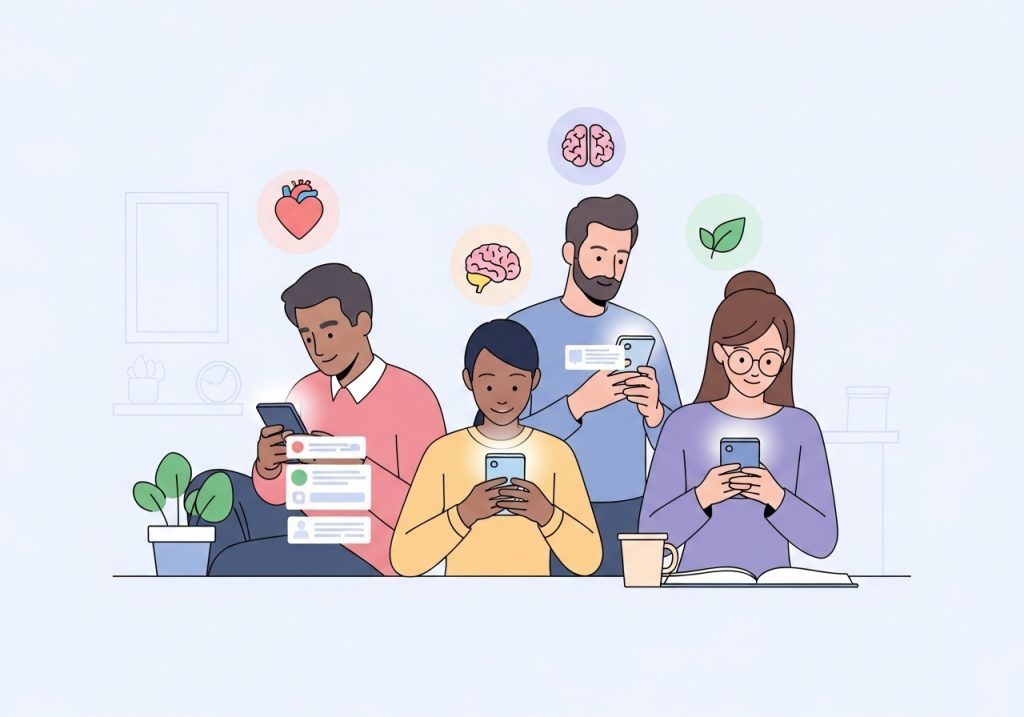
Finally, they value true expertise. While they may have done extensive online research, they often suffer from information overload and analysis paralysis. They are not looking for another blog post with generic advice. They are looking for a trusted expert who can cut through the noise, provide a personalized strategy, and guide them with confidence. Your ability to offer clarity is your most valuable asset.
How to Engage the Modern, Health-Conscious Client
Connecting with this audience requires a different approach. Standard marketing tactics that simply broadcast a message are often ineffective. Health-conscious individuals are discerning consumers. They expect value, personalization, and transparency before they are willing to book a consultation.
To capture their attention, you must shift from simply telling them you can help to actually showing them. This means providing them with tools and resources that offer immediate, tangible value. The core of this strategy is about building trust by demonstrating your expertise from the very first interaction.
This group wants to feel seen and understood. A generic "contact us" form is a passive and uninspiring invitation. They are more likely to engage with an experience that speaks directly to their concerns and provides a personalized insight. This aligns with the principles of implementing patient centered care, where the individual's unique needs are the focus from the start.
The key is to create a value exchange. In return for their contact information, you provide a piece of personalized information that helps them understand their health better. This moves them from being a passive website visitor to an engaged and qualified lead.
Using Calculators to Convert Health Consciousness into Action
Interactive health calculators are one of the most effective tools for engaging a health-conscious audience. They directly address the desire for data-driven, personalized insights in a simple and accessible format. Instead of reading another article, a potential client can interact with your expertise and get a result tailored specifically to them.
Imagine these scenarios:
- A functional nutritionist offers a "Gut Health Score" calculator. A visitor answers ten questions about their digestion, energy levels, and diet and instantly receives a score from 1 to 100, along with a brief explanation of what their score means.
- A hormone health specialist provides a "Hormone Imbalance Indicator" tool. Based on symptoms like fatigue, mood swings, and sleep issues, the tool helps a user identify which hormonal pathways might need support.
- An integrative medicine practitioner creates a "Chronic Inflammation Assessment." The calculator asks about lifestyle factors and symptoms to give the user a personalized risk score.
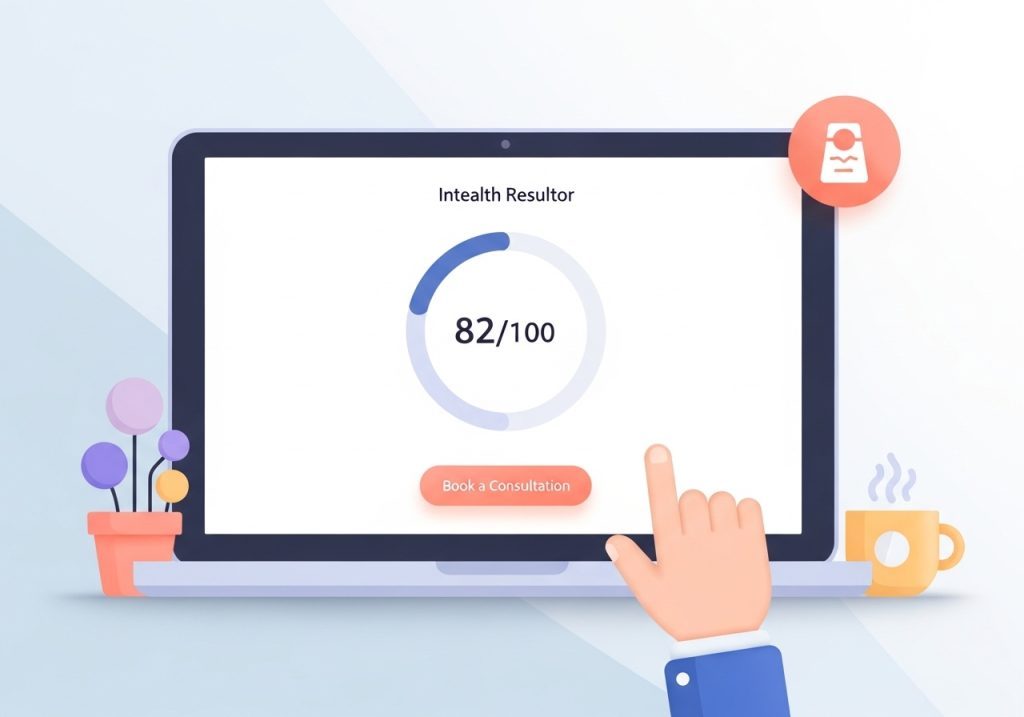
In each case, the calculator achieves several goals at once. It provides immediate value to the visitor, satisfying their curiosity and need for data. It positions you as an expert who understands their specific problems. Most important, it creates a clear and logical next step. A score of 65/100 on a gut health assessment naturally leads to the question, "How can I improve this?" The call to action to book a consultation becomes a helpful solution rather than a sales pitch.
This method of lead generation is a core component of an effective system to get more patients into your practice. It filters for motivated individuals, gives you valuable information about their needs before you even speak, and warms them up for a productive initial consultation.
The rising tide of health consciousness is creating a new generation of informed and motivated clients. For health and wellness practitioners, this is not a challenge to overcome but a significant opportunity to embrace. By shifting your approach from broad marketing to personalized engagement, you can attract the very people who are most likely to succeed with your guidance.
Tools that provide instant, data-driven value, like interactive calculators, are no longer a novelty. They are an essential part of a modern practice's digital strategy. They build trust, demonstrate expertise, and create a smooth and logical path from initial curiosity to a booked consultation. By meeting your future clients where they are, you can build a stronger, more sustainable practice filled with the people you are best equipped to help.
Ready to turn curious visitors into committed clients? Our interactive calculators provide the personalized insights your audience craves, converting their health consciousness into booked consultations for your practice. See how easy it is to create your first calculator and start generating more qualified leads today. Explore our templates and start your free trial.