How to Find Clients Online: A Guide for Health Practitioners

Growing a health and wellness practice requires a steady stream of new clients. In a digital world, figuring out how to find clients online often feels like a significant challenge. Many practitioners are experts in their field but may not be experts in online marketing. This guide provides a straightforward, step-by-step process to help you find clients online, fill your calendar, and focus on what you do best: helping people improve their health.
Step 1: Define Your Ideal Client Profile
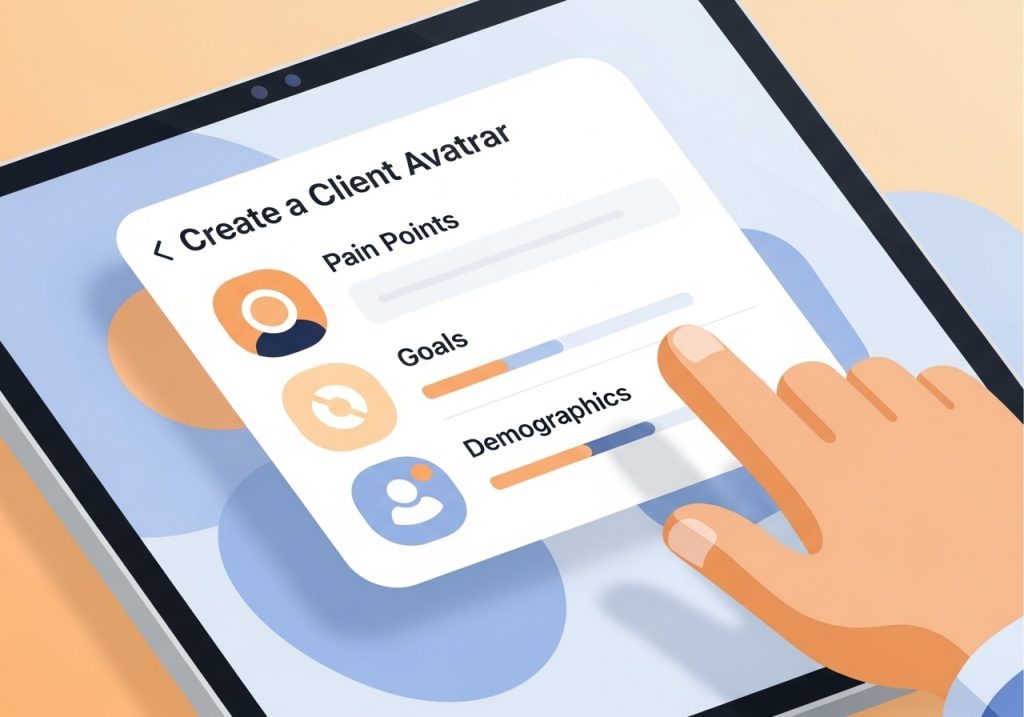
Before you can find your ideal clients, you must know exactly who they are. Generic marketing attracts generic interest, which rarely leads to booked consultations. A specific approach starts with a detailed client profile. Think about the person you can help most effectively. What are their specific health challenges, goals, and daily struggles? Consider their demographics, such as age and location, but also dig deeper into their psychographics. What are their values? What information sources do they trust? What motivates them to seek help?
Creating this avatar helps you tailor your messaging, content, and marketing efforts to resonate with the right people. Every piece of content you create and every online interaction you have should speak directly to this person. This clarity makes your marketing more efficient and your practice more impactful.
Step 2: Optimize Your Professional Website for Conversions
Your website is your digital practice. For many potential clients, it is their first impression of you and your expertise. It needs to clearly communicate who you help, what you help them with, and how to take the next step. Ensure your site is easy to navigate, mobile-friendly, and professional in appearance. A well-optimized website is just one of several proven strategies to attract new clients and turn them from passive visitors into active leads.
Key elements of an optimized website include:
- Clear Messaging: A visitor should understand your specialty within seconds of landing on your homepage. Use a clear headline that speaks to your ideal client's primary problem.
- Simple Navigation: Organize your site logically with pages like 'About', 'Services', 'Blog', and 'Contact'. Make it easy for people to find the information they need.
- Prominent Calls-to-Action (CTAs): Tell visitors what to do next. Use clear buttons like "Book a Free Discovery Call" or "Download Your Guide" on every page.
- Testimonials and Case Studies: Social proof is powerful. Showcasing success stories from past clients builds trust and demonstrates the results you can provide.
Step 3: Create Value-Driven Content That Builds Trust
Content marketing is a non-negotiable strategy for attracting clients online. By consistently publishing helpful and informative content, you demonstrate your expertise and build a relationship with your audience before they ever book a call. Potential clients are searching for answers to their health questions. Your content can provide those answers and position you as the trusted authority.
Focus on creating content that addresses your ideal client's pain points. This could include blog posts, videos, podcasts, or social media updates. For example, a gut health specialist might write an article titled "5 Common Foods That Can Trigger Bloating." A hormone health coach could create a video explaining the signs of adrenal fatigue. This approach provides genuine value, builds trust, and naturally attracts people who need your specific help.

Step 4: A Practical Method for How to Find Clients Online in Niche Communities
Your ideal clients are already gathering in online spaces to discuss their challenges and seek advice. You can find them in places like Facebook groups, Subreddits, and specialized online forums. The key to success in these communities is to be helpful, not to sell. Participate in conversations, answer questions thoughtfully, and share your expertise without expectation.
For instance, if you are a functional nutritionist specializing in autoimmune conditions, find Facebook groups for people with Hashimoto's or rheumatoid arthritis. When someone asks a question you can answer, provide a thorough and helpful response. Over time, members will recognize you as a knowledgeable resource. This can lead to them visiting your website, consuming your content, and eventually reaching out to work with you. It is a strategy built on authentic connection, not direct sales pitches.
Step 5: Use Interactive Tools to Capture and Qualify Leads
Once you have traffic coming to your site from your content and community engagement, you need an effective way to convert those visitors into qualified leads. Standard "Contact Us" forms and generic newsletter sign-ups often have low conversion rates. They offer little immediate value to the visitor.
An interactive calculator is a much more powerful tool. Instead of just asking for an email, you provide instant, personalized insight. You can learn more about why health calculators are more effective than quizzes for this purpose. For example, a women's health practitioner could offer a "Hormone Balance Scorecard," or a functional medicine doctor could create a "Metabolic Health Assessment." A visitor answers a few targeted questions and immediately receives a score and personalized recommendations. In exchange for this valuable insight, they provide their contact information.
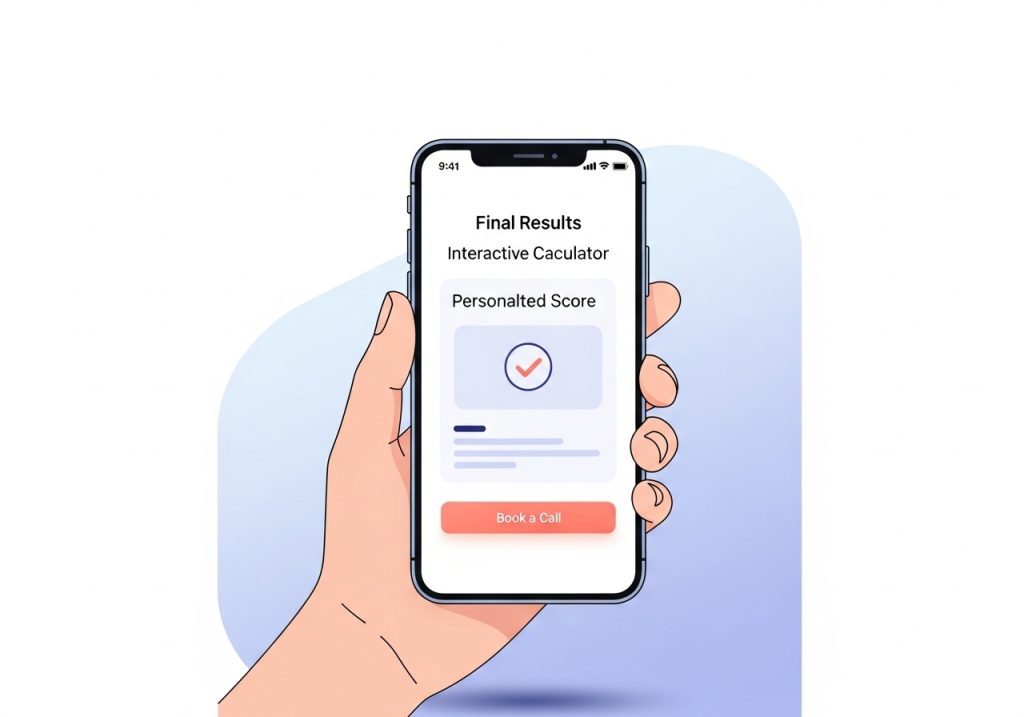
This method does two things exceptionally well. First, it gives the potential client immediate value, which makes them far more likely to share their information. Second, it qualifies the lead. Their answers give you critical information about their specific needs, allowing you to tailor your follow-up and focus your time on the most promising prospects. This is how you turn website visitors into booked discovery calls.
Building a successful practice online is a systematic process, not a matter of luck. By defining your ideal client, optimizing your digital presence, and providing consistent value, you can create a reliable system for attracting the people you are best equipped to help. The final, critical piece is to implement a smart lead capture strategy that converts interest into action. Using an interactive tool can make a substantial difference in both the quantity and quality of your leads, helping you fix the gap between lead generation and consultation bookings so your calendar stays full.
Turn Website Visitors into Booked Clients
Ready to apply these steps and create a predictable flow of qualified leads? LeadCalculators helps you build embeddable, interactive calculators that capture and qualify potential clients automatically. Stop chasing cold leads and start attracting people who are ready for your help. Explore our templates and see how easy it is to get started.