How to Follow-Up With Potential Clients: A 6-Step Guide for Health Practitioners

The most effective way to follow up with potential clients is by implementing a structured, value-driven email sequence that is personalized to their initial health concern. This approach moves beyond generic check-ins and builds trust by demonstrating your expertise from the very first interaction. For health and wellness practitioners, a thoughtful follow-up system is critical for converting interested leads into booked discovery calls and committed clients, ensuring the time you invest in marketing yields tangible results for your practice.
A scattered or inconsistent approach can leave potential clients feeling confused or forgotten. On the other hand, an organized strategy shows professionalism and a genuine interest in helping them solve their problems. This guide provides a clear, six-step process for creating a follow-up system that nurtures relationships and drives practice growth.
Step 1: Segment Your Leads Based on Their Initial Interest
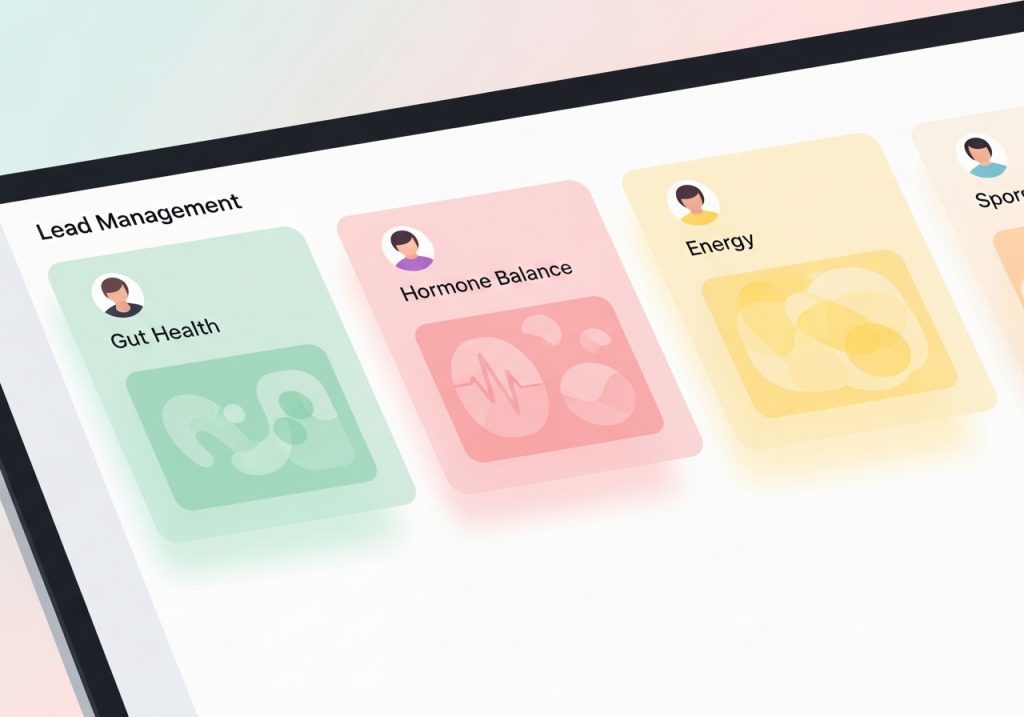
Before you send a single email, you must understand who you're talking to. Grouping leads based on their specific interests or the problem they are trying to solve is the foundation of a successful follow-up strategy. A lead interested in gut health requires different information than one concerned with hormone balance. Generic, one-size-fits-all communication rarely connects with the specific pain points of a potential client.
Segmentation allows you to tailor your messaging, making each person feel seen and understood. The easiest way to achieve this is by using a lead generation tool that automatically categorizes leads. For example, if a potential client completes a "Hormone Health Score" calculator on your website, they are automatically placed into a segment for hormone-related follow-up. This removes the guesswork and enables immediate personalization. Accurate segmentation relies on keeping good clinical and client records from the moment a lead enters your system.
Step 2: Establish Your Follow-Up Timing and Channels
With your leads segmented, the next step is to map out your communication schedule. Consistency is key. You want to stay top-of-mind without overwhelming your audience. For most health practices, email is the primary and most effective channel for nurturing new leads.
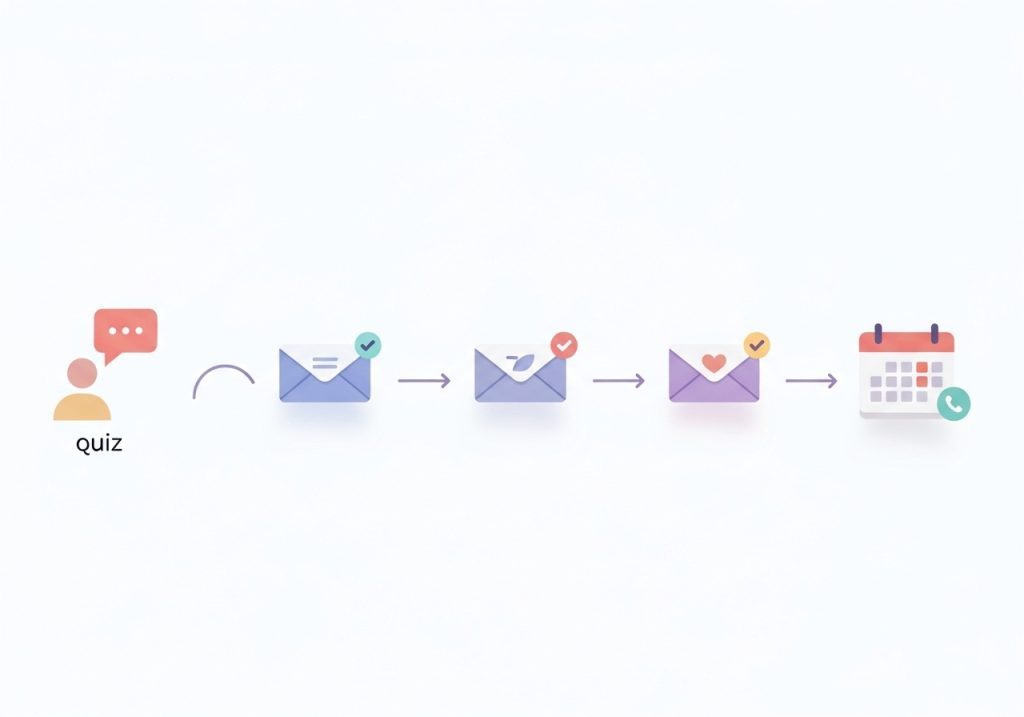
Consider this sample timing structure for an automated email sequence:
- Immediately: The first email is sent the moment they submit their information (e.g., after completing a quiz or downloading a guide). This email delivers the promised value, like their personalized score or the resource they requested.
- 2 days later: The second email can offer a related piece of educational content, such as a blog post or a short video that expands on their area of interest.
- 4 days later: The third email could be a client success story or case study that aligns with their specific problem.
- 7 days later: The final email in the initial sequence can present a clear call to action to book a discovery call with you.
This schedule provides multiple touchpoints over a week, building trust and momentum. You can adjust the timing based on your audience's engagement, but starting with a defined plan is crucial.
Step 3: Write a Personalized First Follow-Up Email
The first follow-up email sets the tone for the entire relationship. Its goal is not to sell but to deliver value and confirm that you understand the lead's needs. A generic "Thanks for your interest" message is a missed opportunity. Instead, make your first touchpoint highly relevant.
Your initial email should:
- Reference the original interaction. Start by mentioning the specific calculator they used or the guide they downloaded. For example, "Thank you for discovering your Gut Health Score."
- Deliver the promised value. Provide their results, a link to the resource, or the information they expected, right at the top of the email.
- Offer a piece of immediate, actionable advice. Based on their results or interest, provide one small tip they can implement right away. This establishes your expertise and generosity.
- Use clear and simple language. When communicating with potential clients, clarity is essential. Avoid clinical jargon and speak in a supportive, professional tone.
This first email confirms you have the solution to their problem and starts the nurturing process on the right foot.
Step 4: Design a Value-Driven Nurture Sequence
After the initial email, the goal is to continue building the relationship through a nurture sequence. This is a series of automated emails designed to educate your potential client, handle common objections, and build trust in your ability to help them. This is one of the most important modern marketing strategies for a growing practice.
A good nurture sequence doesn't just push for a sale. It provides genuine value. Your sequence of 3-5 emails could include:
- Educational Content: Share links to blog posts, videos, or podcasts that address common questions related to their segment.
- Myth Busting: Address common misconceptions about their health condition or the path to wellness.
- Client Stories: Share anonymized success stories of clients who faced similar challenges. This builds social proof and helps the lead envision their own success.
- Explaining Your Process: Briefly outline your unique approach or philosophy of care, showing them why working with you is different.
Each email should have a single focus and continue the conversation, gently guiding them toward the decision to seek your help.
Step 5: Include a Clear and Compelling Call to Action
Every piece of communication in your follow-up sequence must have a purpose. A call to action (CTA) tells the potential client exactly what you want them to do next. Without a clear CTA, even the most interested leads may not take the next step simply because they weren't prompted to do so. This step is a core part of any strategy designed to attract more qualified patients.
Your CTA should be direct, simple, and low-pressure. Examples for health practitioners include:
- "Ready to discuss your results? Book a free 15-minute discovery call here."
- "Have questions? Click here to schedule a complimentary consultation."
- "Want to learn more about my approach? Find a time on my calendar that works for you."
Make the CTA a button or a prominent link in your email so it's easy to see and click. The goal is to make the transition from lead to scheduled appointment as smooth as possible.
Step 6: Track Key Metrics to Refine Your Process
A follow-up system is not a "set it and forget it" tool. To ensure it remains effective, you need to track its performance. Monitoring a few key metrics will tell you what's working and what needs improvement. This data-driven approach is essential for any practitioner looking to improve their patient follow-up process over time.
Focus on these metrics:
- Open Rate: The percentage of people opening your emails. Low open rates might suggest your subject lines need to be more engaging.
- Click-Through Rate (CTR): The percentage of openers who click a link in your email. A low CTR could mean your content isn't relevant enough or your CTA isn't clear.
- Booking Rate: The ultimate measure of success. What percentage of leads who enter your sequence end up booking a discovery call? This tells you if the system is achieving its primary goal.
Review these numbers monthly. If you notice a drop-off at a particular email in your sequence, revisit its content and messaging. Continuous refinement will ensure your follow-up strategy remains a powerful asset for your practice.
Knowing how to follow up with potential clients is less about chasing leads and more about building relationships through value and trust. By segmenting your audience, delivering personalized content, and guiding them with clear calls to action, you create a professional and effective system. This structured approach not only converts more leads into clients but also establishes your practice as a credible and supportive resource from the very first interaction.
Automate Your Lead Nurturing and Book More Calls
A manual follow-up process can be time-consuming and inconsistent. LeadCalculators provides health and wellness practitioners with the tools to automate lead segmentation and deliver personalized value from the start. Our interactive calculators engage your website visitors, capture qualified leads, and give you the data you need to power an effective follow-up sequence.
Stop letting potential clients slip away. See how an interactive calculator can transform your lead generation and nurturing. Explore our templates or start for free today.