Understanding Health Disparities: A Guide for Health Practitioners

As a health and wellness professional, you are dedicated to helping clients achieve their best possible outcomes. A significant factor influencing those outcomes is the presence of health disparities. These are systematic, preventable differences in health that affect groups of people based on their social, economic, or environmental circumstances. Understanding these factors is essential for providing truly effective and personalized care.
This guide explains what health disparities are, why they are relevant to your practice, and how you can use modern digital tools to better identify and address the unique needs of your clients.
What Are Health Disparities?
Health disparities are not random. They are differences in health status that are closely linked with social or economic disadvantage. They affect groups of people who have systematically experienced greater obstacles to health based on factors like their racial or ethnic group, religion, socioeconomic status, gender, age, or geographic location. These factors are often called social determinants of health (SDOH).
These determinants create a complex picture that extends far beyond diet and exercise, influencing everything from chronic disease risk to mental health. They are the conditions in which people are born, grow, work, live, and age, and they are shaped by the distribution of money, power, and resources at global, national, and local levels.
Key Social Determinants of Health
To better understand the root causes of health disparities, it is helpful to look at the specific determinants that contribute to them:
- Economic Stability: A person's financial situation has a direct impact on their health. Poverty, unstable employment, food insecurity, and housing instability can lead to chronic stress and limit access to healthy food, safe living conditions, and necessary medical care.
- Neighborhood and Physical Environment: The environment where someone lives can either support or hinder their health. Access to healthy foods (like fresh produce), air and water quality, quality of housing, and exposure to crime or violence all play significant roles in long-term health outcomes.
- Education Access and Quality: Education provides skills for problem-solving, creates opportunities for better jobs, and is associated with improved health literacy. Limited access to quality education can affect a person's ability to get and keep a good job, understand health information, and navigate the healthcare system.
- Healthcare Access and Quality: This involves more than just having health insurance. It also includes the availability of qualified providers, linguistic and cultural competency of care, and the ability to get timely appointments. Gaps in any of these areas can prevent individuals from receiving the care they need.
- Social and Community Context: Positive relationships and strong community ties can be a protective factor for health. Conversely, social isolation, discrimination, and stress from civic or work environments can have negative physical and mental health consequences.
Why Health Disparities Matter for Your Practice
You might think of health disparities as a large-scale public health issue, but they directly influence the individuals you work with every day. A client's ability to follow your recommendations is shaped by their life circumstances. For example, a protocol that requires expensive organic foods may be impossible for someone with a limited income. A recommendation to reduce stress is difficult for a person working multiple jobs or living in an unsafe environment.
Ignoring these realities can lead to client frustration, poor adherence to your plans, and ultimately, less successful outcomes. When you understand the broader context of a client's life, you can tailor your guidance to fit their unique situation. This not only improves their chances of success but also positions you as a practitioner who is truly invested in their well-being. Acknowledging these external factors is a critical step in improving patient satisfaction and building the trust necessary for a strong practitioner-client relationship.
Identifying Risk Factors with Digital Screening Tools
Traditional patient intake forms often focus on medical history and primary symptoms. While important, they may not capture the nuanced information related to social determinants of health that contribute to a person's condition. A client may not volunteer information about financial stress or food insecurity on a standard paper form, yet these details could be the key to understanding their health challenges.
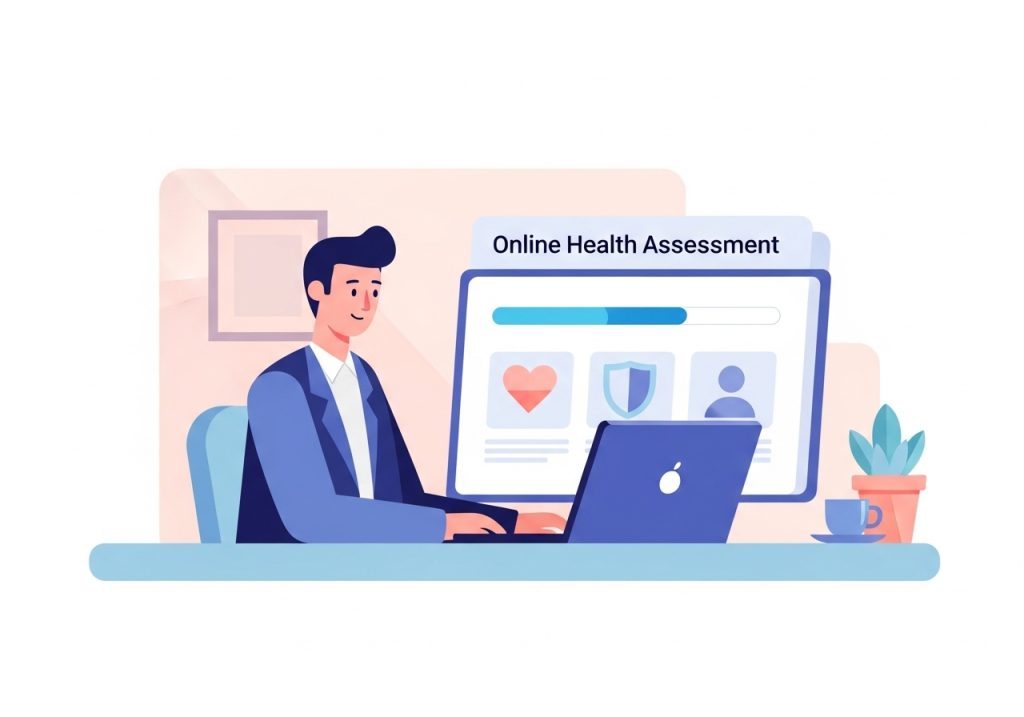
This is where digital screening tools can offer a significant advantage. An online, interactive assessment can create a private and low-pressure environment for a potential client to share sensitive information about their lifestyle, environment, and stressors. Because these tools are scalable and accessible on your website, you can gather valuable insights from many potential clients before they even book a consultation. This preliminary data helps you identify patterns and understand the specific challenges facing your audience, allowing you to create more relevant content and targeted programs to serve them better.
Using Calculators to Personalize Care and Bridge Gaps
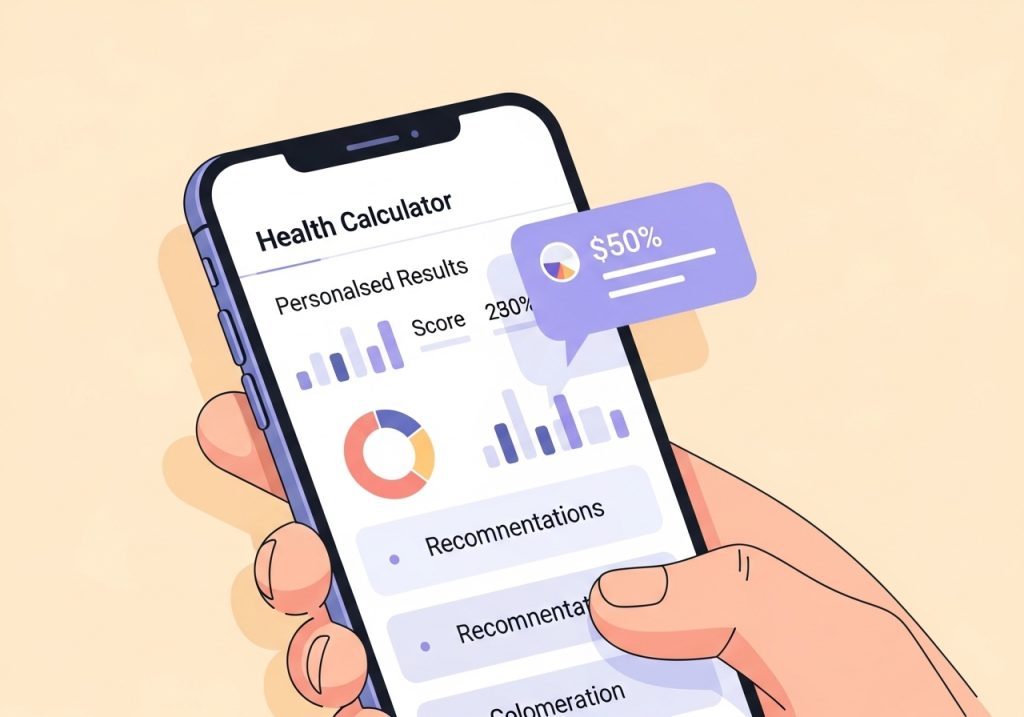
Interactive calculators are a powerful application of digital screening. Instead of just collecting data, they provide immediate, personalized feedback to the user. This creates a valuable exchange where a potential client gets instant insight in return for their information. This process is also an effective form of customer due diligence, helping you attract people who are a good fit for your practice.
For example, a functional nutritionist could create a "Gut Health & Stress Index" calculator. This tool could ask questions not only about diet and symptoms but also about sleep patterns, work-related stress, financial pressures, and access to time for meal preparation. Based on their answers, the calculator generates a score and offers tailored, actionable recommendations. Someone with a high-stress score might receive tips on accessible mindfulness techniques, while another person with a score indicating poor food access could get information on budget-friendly, nutrient-dense meals.
This information is also sent to you, the practitioner. It gives you a much deeper understanding of the client's needs before your first conversation, enabling a more productive and empathetic consultation from the very beginning. You can start the call with solutions that are already adapted to their reality.
A Proactive Approach to Equitable Health
By integrating an understanding of health disparities into your practice, you move from a reactive to a proactive model of care. Instead of waiting for a client to struggle with your recommendations, you can anticipate potential barriers and co-create a plan that is both effective and realistic for their circumstances. Using digital tools like interactive calculators helps you meet clients where they are, acknowledging the real-world factors that shape their health.
This approach not only leads to better client outcomes but also serves as a powerful marketing tool. It demonstrates a level of care and understanding that builds authority and trust with your audience. As a result, this method naturally helps you grow your customer base with clients who feel seen and understood. The right tools make it simple to gather deeper insights without creating more administrative work. They automate the process of understanding your clients on a new level, so you can focus on providing the expert guidance they need.
Ready to Understand Your Clients on a Deeper Level?
Create an interactive calculator that gives your future clients instant personalized insights while gathering the information you need to provide better care. Start building trust and attracting more qualified leads today. Explore our templates to see how easy it is to get started.