What Is Direct Marketing? A Practical Guide for Health Professionals
As a health and wellness professional, you know the value of a direct conversation. You thrive when you can speak one-on-one with a client, understand their unique needs, and offer personalized guidance. Marketing your practice should work the same way. Instead of shouting into the void and hoping the right people hear you, what if you could speak directly to potential clients who are actively looking for your help? This is the core principle behind a powerful and often misunderstood approach. So, what is direct marketing , and how can you use it to fill your calendar with qualified leads? Let's explore a practical framework for your practice.
Step 1: Define Direct Marketing vs. General Advertising
Before building a campaign, it’s important to understand what makes direct marketing different from general advertising. General advertising casts a wide net. Think of a billboard on the highway, a magazine ad, or a generic social media post about your practice. The goal is broad brand awareness. You want as many people as possible to know your name.
Direct marketing, on the other hand, is a targeted conversation. It is any marketing that communicates directly with a specific person or group and asks for a specific, measurable response. The key elements are:
- Targeted Audience: You are speaking to an individual, not a crowd. This could be someone on your email list or a person who fits a very specific demographic profile in an ad campaign.
- Direct Communication: The message goes straight to them through a personal channel like their email inbox, mailbox, or social media feed.
- A Clear Call to Action (CTA): You ask the recipient to do something specific, like "Book a free discovery call," "Download your gut health guide," or "Take the quiz."
- Measurable Results: Because you have a specific CTA, you can track exactly how many people responded. You know your return on investment.
The difference is like handing a personalized invitation to a select group of guests versus putting up a generic "Party Here" sign on the street corner. Both can work, but the invitation is far more personal and effective for attracting the right people.
Step 2: Choose Your Direct Marketing Channels
Once you understand the concept, you can choose the right channels to reach your ideal clients. Not all channels are created equal, and what works for one practice may not work for another. For health and wellness professionals, a few channels are consistently effective.
Email Marketing
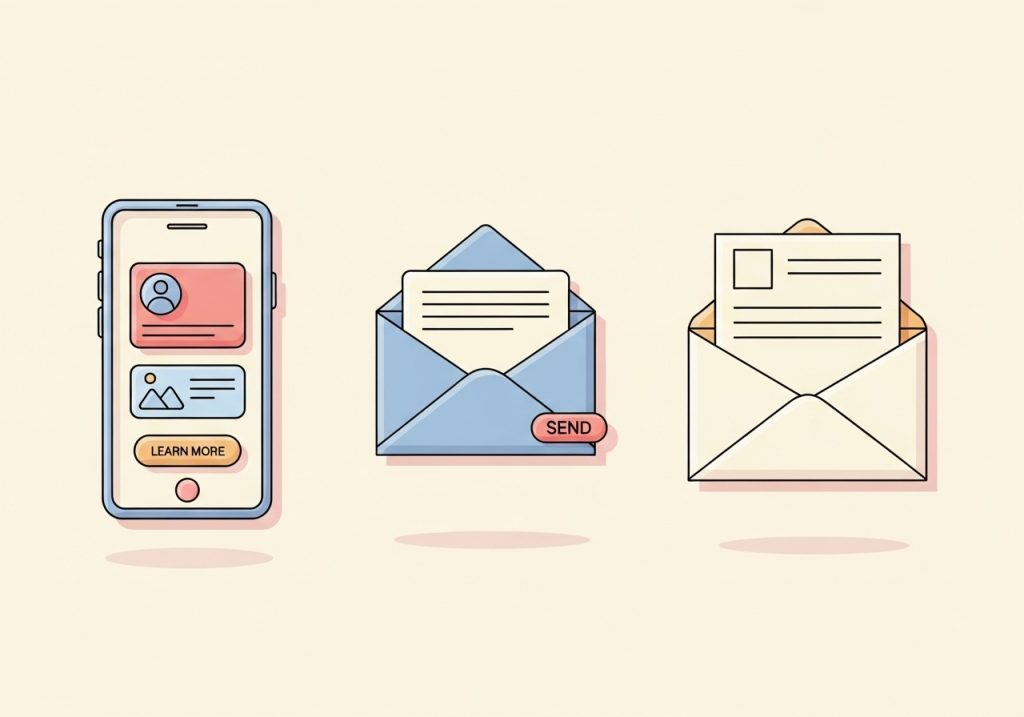
Your email list is your most valuable marketing asset because it's a list of people who have already raised their hands and said they want to hear from you. You can send targeted newsletters with health tips, announce new programs, or share client success stories, always ending with a clear call to action.
Targeted Social Media Ads
Platforms like Facebook and Instagram allow you to create ads that are shown to very specific groups of people. You can target based on age, location, interests (like "holistic health" or "yoga"), and even behaviors. This allows you to run a direct response campaign offering a valuable resource, like a webinar or a free guide, in exchange for an email address.
Direct Mail
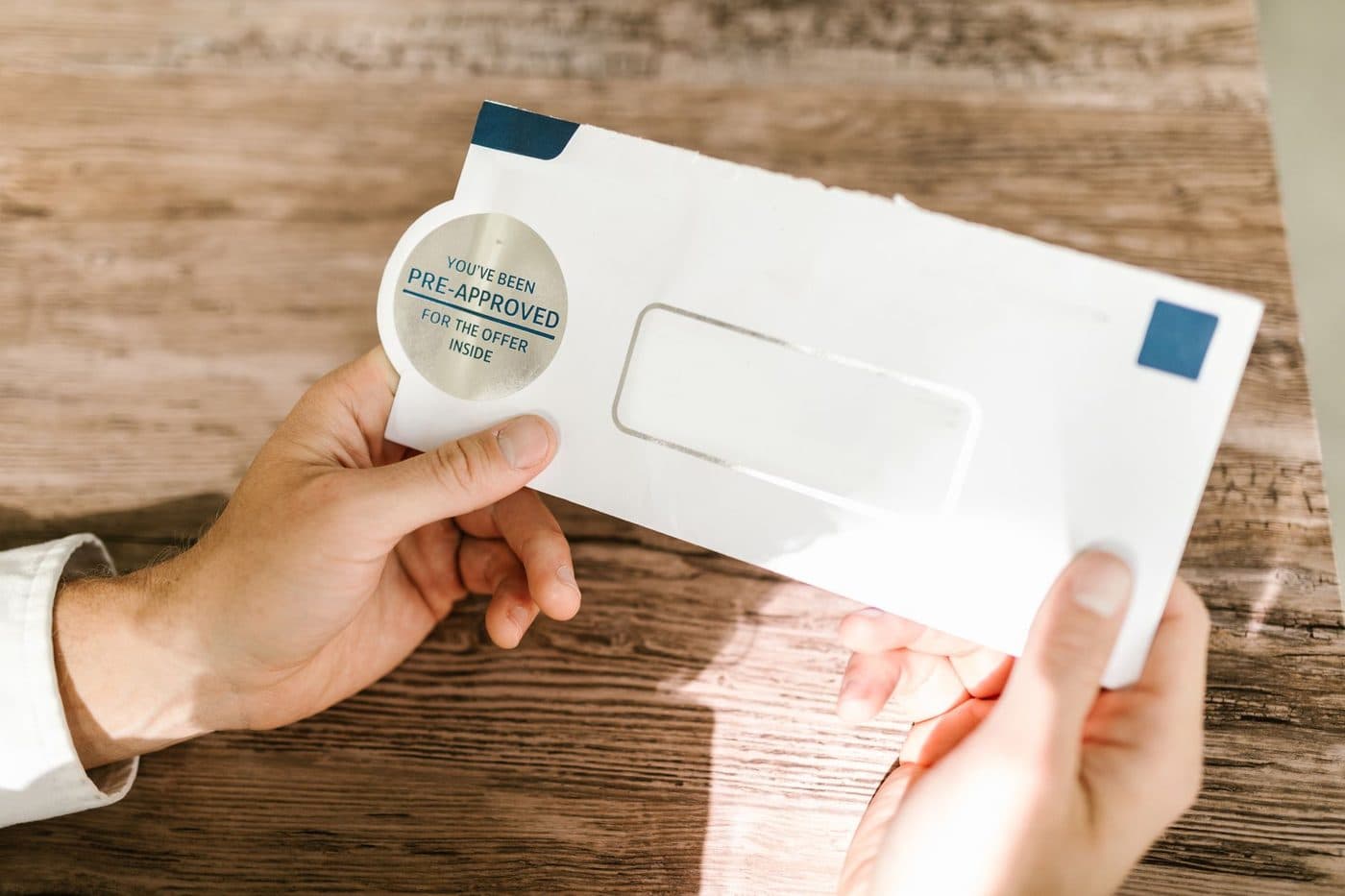
While it may seem old-fashioned, direct mail can be highly effective, especially for clinics with a physical location. Sending a postcard to households in your local area announcing a new service or an open house is a form of direct marketing. It can help you stand out in a digitally crowded world.
Step 3: Build Your Direct Marketing Campaign
A successful direct marketing campaign doesn't have to be complicated. It just needs a clear structure built around providing value to your potential client. Follow these core components to build your campaign.
- Identify Your Ideal Client: Get specific. Who do you want to reach? Instead of "women with hormone issues," narrow it down to "women between 40 and 55 in the United States who are experiencing perimenopause symptoms and have shown interest in natural remedies." The more specific you are, the more your message will resonate.
- Craft a Valuable Offer: What can you give this person that provides immediate value and demonstrates your expertise? This is often called a lead magnet. It could be a PDF guide, a video training, a checklist, or a free meal plan. The offer should solve a small but significant problem for your ideal client.
- Write a Clear Call to Action (CTA): Tell them exactly what to do next. Use action-oriented language. "Download the Guide," "Watch the Training Now," or "Get Your Personalized Score." Make the next step obvious and easy to take. This is one of the most important parts of direct response.
Putting these pieces together creates a simple but powerful flow: you offer something valuable to a specific person and make it easy for them to get it.
Step 4: Use Interactive Calculators as a Lead Magnet
While PDF guides and checklists are common, one of the most effective direct response tools for a health practice is an interactive calculator. Instead of just giving information, a calculator engages the user directly, asks them questions, and provides a personalized result in real-time.
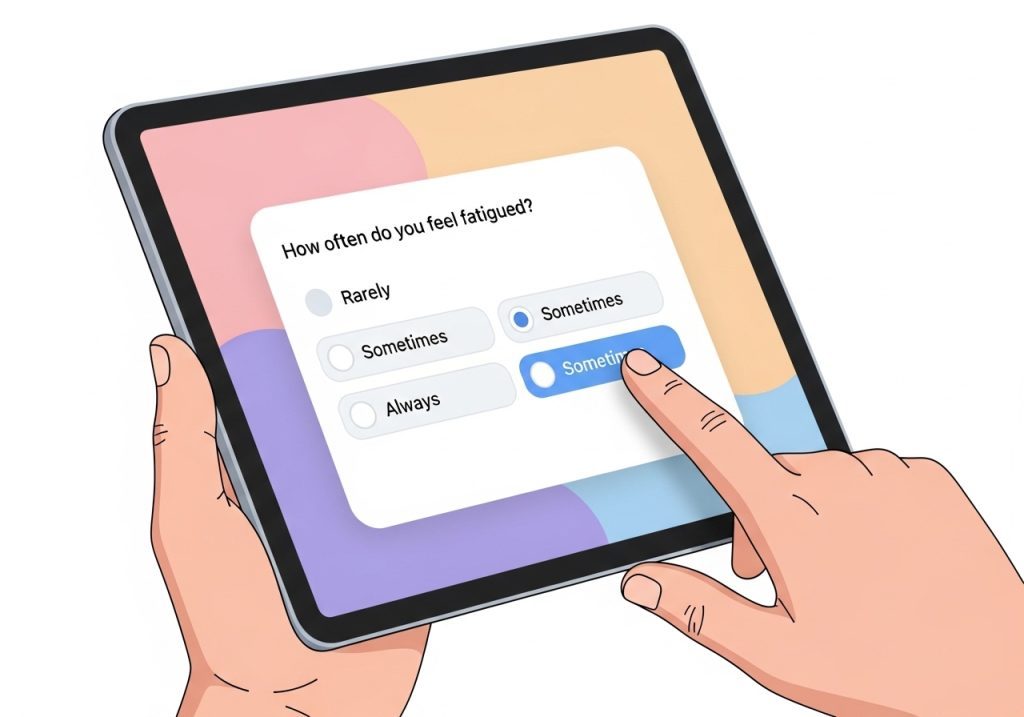
Imagine a potential client lands on your website. Instead of a generic "sign up for my newsletter" box, they see a "What's Your Adrenal Fatigue Score?" calculator. They answer a few simple questions about their lifestyle and symptoms and immediately get a score with tailored recommendations. In exchange for this valuable, personalized insight, they provide their email address.
This approach works so well because:
- It Provides Instant Value: The user gets a personalized answer to a pressing question, making them feel seen and understood.
- It Qualifies Leads: The person completing the calculator is demonstrating a high level of interest in the specific problem you solve. You now have a qualified lead who is already engaged.
- It Lowers Resistance: The exchange feels fair. They receive immediate, personalized data, and you receive their contact information to continue the conversation. You can learn more about how calculators compare to standard quizzes as one of the best lead generation strategies for health professionals.
Step 5: Measure Your Results and Refine Your Strategy
The beauty of direct marketing is that it’s measurable. You aren't just guessing if your efforts are working. You can track specific metrics to understand what resonates with your audience and what doesn't. This allows you to stop wasting money on ineffective tactics and double down on what works.
Key metrics to track include:
- Response Rate: The percentage of people who took your desired action. For example, if you sent an email to 1,000 people and 100 clicked the link, your response rate is 10%.
- Conversion Rate: The percentage of responders who became a qualified lead or client. If 50 of those 100 clicks resulted in a downloaded guide, your conversion rate is 50%.
- Cost Per Lead: The total cost of the campaign divided by the number of leads generated. This helps you understand the efficiency of your marketing spend. Knowing how to begin calculating your customer acquisition cost is fundamental to building a sustainable practice.
By tracking these numbers, you can test different offers, headlines, and channels to continuously improve your results and grow your practice more predictably.
Direct marketing isn't about aggressive sales tactics. It’s about creating a direct line of communication with the people you are best equipped to help. By understanding your audience, offering real value, and measuring your results, you can build a system that consistently brings qualified, motivated clients to your door. The key is to start a conversation that feels personal, helpful, and targeted, turning strangers into clients who trust your expertise.
Turn Your Website Traffic into Booked Calls
Ready to implement a powerful direct marketing strategy without the tech overwhelm? LeadCalculators makes it simple to create and embed interactive health calculators on your site. Give potential clients instant, personalized insights they value, and in return, you get a list of qualified leads who are ready to take the next step.
Stop waiting for clients to find you. Start a direct conversation that leads to a booked calendar. Explore our templates or start your free trial today.