5 Practical Marketing Strategies for Health and Wellness Practitioners

As a health and wellness professional, your primary focus is on helping clients achieve their best health. Yet, attracting a steady stream of the right clients can be a significant challenge. Effective marketing for health and wellness is not about aggressive sales tactics; it's about building trust, demonstrating expertise, and making genuine connections with people who need your help. The goal is to create a system that consistently brings qualified individuals to your practice, allowing you to spend more time on client care and less time worrying about where your next booking will come from. This guide outlines five practical strategies to help you market your services authentically and grow your practice.
Create Educational Content That Builds Trust
The foundation of any successful marketing strategy in the health sector is trust. Your potential clients are often searching for answers to sensitive and important questions about their well-being. By creating high-quality, educational content, you position yourself as a credible authority who provides value before ever asking for a sale. This approach helps you connect with individuals who are actively seeking solutions, making them far more likely to become clients.
Content marketing is about more than just writing blog posts. It’s a way to show your expertise and your unique approach to care. When people find your content helpful and insightful, they begin to see you as a trusted guide. Research from healthcare marketing studies confirms that an effective approach requires a deep understanding of patient needs and a commitment to addressing them through valuable services and information. This builds a strong relationship from the very first interaction. By focusing on marketing health as an internal journey, you attract clients who are already invested in finding root-cause solutions.
To implement this strategy, consider the following content formats:
- In-depth Blog Posts: Write articles that answer the specific questions your ideal clients are typing into Google. Address common misconceptions, explain complex health topics in simple terms, or detail the benefits of a particular modality you offer.
- Client Case Studies: Share anonymized success stories that highlight the transformations your clients have experienced. This provides powerful social proof and helps potential clients see themselves in the results you deliver.
- Downloadable Guides or E-books: Create a comprehensive resource on a niche topic, such as "A Beginner's Guide to Adrenal Health" or "5 Foods to Support a Healthy Gut." These are excellent for capturing email addresses.
- Informational Videos or Webinars: Host live or pre-recorded sessions that educate your audience on a particular health concern. A visual format can be highly engaging and helps build a personal connection.
The key is consistency. Choose one or two formats you enjoy creating and commit to a regular schedule. Over time, this library of valuable content will become a powerful asset that attracts and nurtures potential clients around the clock.
Use Interactive Calculators to Generate Qualified Leads
Traditional lead magnets like PDF downloads or checklists are common, but they often fail to engage users on a personal level. An interactive calculator, on the other hand, provides immediate, personalized value that can significantly increase lead conversions. Instead of a generic document, a potential client receives a custom score or assessment related to their specific health concerns, such as a "Stress Resilience Score" or a "Hormone Imbalance Quiz."
This approach works because it transforms passive content consumption into an active, diagnostic experience. A visitor answers a few targeted questions and, in exchange for their email address, receives an instant, insightful result. This result not only gives them valuable information but also subtly qualifies them as a lead. Someone who takes the time to complete a gut health assessment, for example, is clearly interested in improving their digestive wellness. This process helps you understand what a health score is and how it can attract ideal clients who are ready to take the next step.
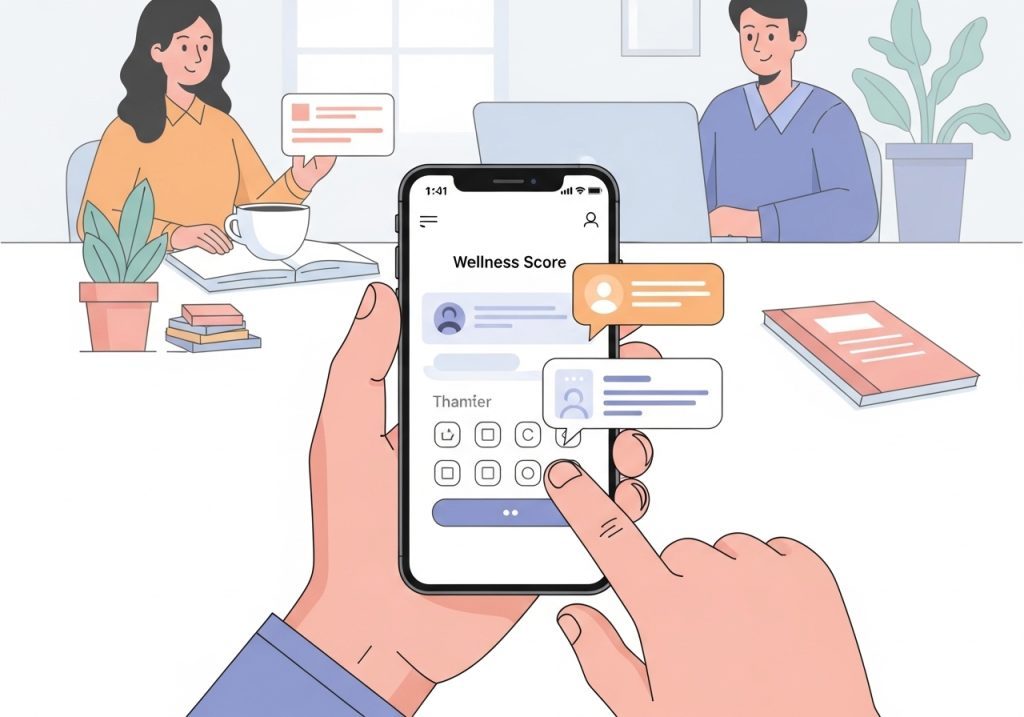
Here are the primary benefits of using interactive calculators for lead generation:
- Higher Engagement Rates: People are naturally curious about themselves. Quizzes and calculators invite participation and are more compelling than static content.
- Improved Lead Quality: The act of completing a calculator serves as a filter. It ensures the leads you collect have a demonstrated interest in the specific problem your practice solves.
- Personalized Follow-up: The results from a calculator give you valuable data. You can segment your email list based on a person's score or specific answers, allowing you to send highly relevant follow-up content that speaks directly to their needs.
- Instant Value Delivery: Unlike waiting for a PDF to arrive in their inbox, users get immediate feedback. This positive first impression builds goodwill and establishes your credibility right away.
By embedding a simple, relevant calculator on your website, you create an automated system for attracting qualified individuals and starting a meaningful conversation with them about their health.
Develop a Nurturing Email Marketing Funnel
Capturing a lead is only the first step. The real work of converting a prospect into a client happens during the follow-up process. An automated email marketing funnel is an essential tool for building a relationship with your new leads, educating them further about your services, and gently guiding them toward booking a consultation. Without a structured follow-up system, many high-quality leads may lose interest or forget why they signed up in the first place.
The purpose of a nurture sequence is to build trust and demonstrate your value over time. Each email should provide helpful information, not just a sales pitch. This reinforces your position as an expert and keeps your practice top-of-mind. A well-designed funnel helps you learn how to follow up with potential clients in a way that feels supportive, not pushy. By the time you invite them to book a call, they should have a clear understanding of how you can help them and feel confident in your ability to do so.
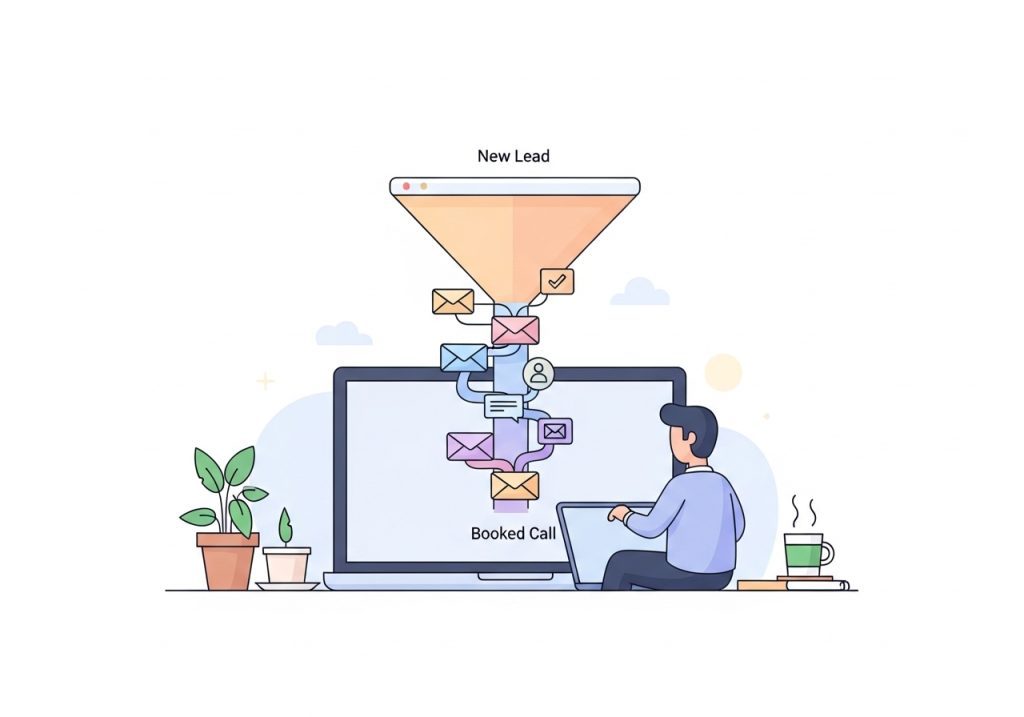
A simple yet effective nurture sequence could include:
- The Welcome Email: Delivered immediately after a person signs up. This email should thank them, deliver the calculator results or lead magnet they requested, and briefly introduce you and your practice's philosophy.
- The Problem-Solving Email: A few days later, send an email that digs deeper into the problem they expressed interest in. Share a valuable tip, a short case study, or a link to a relevant blog post. This provides more value and shows you understand their challenges.
- The Authority-Building Email: This email can share a client testimonial, link to a podcast you were featured on, or explain your unique methodology. The goal is to build credibility and differentiate your practice from others.
- The Call-to-Action Email: After providing value over several emails, it's time to invite them to take the next step. Clearly explain what a discovery call or initial consultation involves and provide a simple link for them to book a time that works for them.
Automating this process with an email marketing platform saves you time and ensures every lead receives a consistent, professional experience.
Master Local SEO to Attract Nearby Patients
If your practice serves clients in a specific geographic area, local search engine optimization (SEO) is critical. When someone searches for "naturopathic doctor near me" or "functional medicine in [Your City]," you want your practice to appear at the top of the results. Local SEO is the process of optimizing your online presence to attract more clients from relevant local searches. It’s one of the most effective forms of marketing for health and wellness practitioners with a physical location.
The centerpiece of local SEO is your Google Business Profile (GBP). This free listing is what appears in Google Maps and the "local pack" section of search results. A complete and optimized profile can drive significant traffic to your website and generate direct phone calls. Think of it as your digital storefront. It needs to be accurate, appealing, and active to attract the right attention.
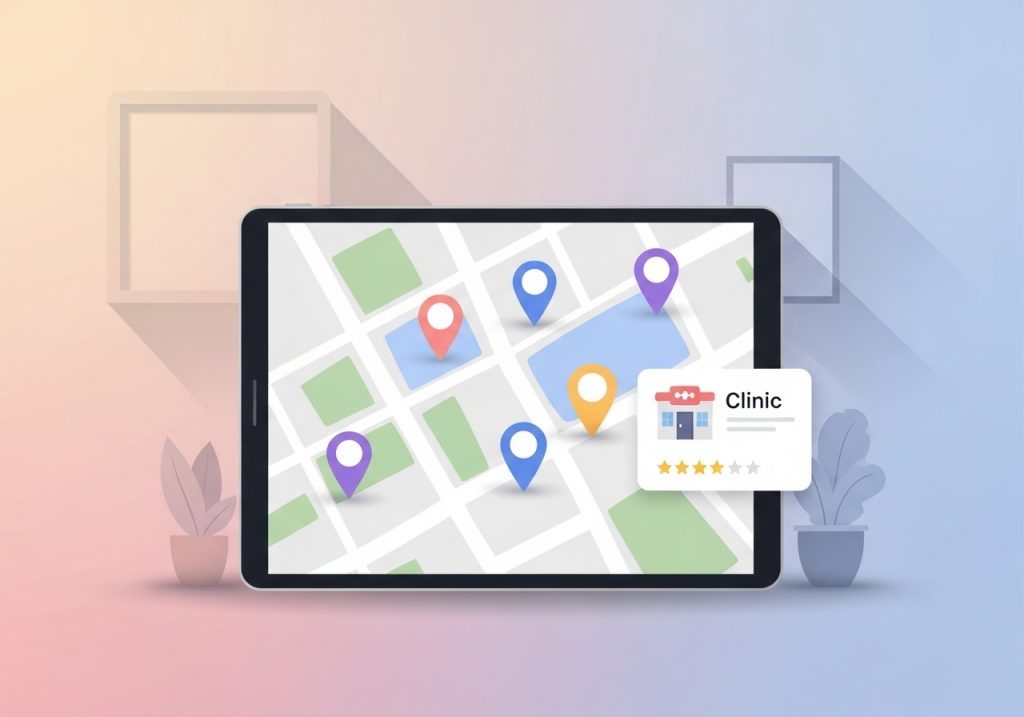
Here are key actions to optimize for local search:
- Claim and Verify Your Google Business Profile: Ensure all information is correct, including your practice name, address, phone number, and website (NAP). Select the most accurate categories for your services.
- Encourage Client Reviews: Positive reviews are a major ranking factor for local search. Create a simple process for satisfied clients to leave a review on your Google profile. Be sure to respond to all reviews, both positive and negative, to show you are engaged.
- Optimize Your Website for Local Keywords: Include your city and state naturally throughout your website, especially on your homepage, contact page, and in service descriptions. For example, instead of "Hormone Health Services," use "Hormone Health Services in Portland, Oregon."
- Use Google Posts: Regularly share updates, articles, and offers through the Posts feature on your GBP. This signals to Google that your profile is active and provides fresh content for searchers to see.
By focusing on these local SEO fundamentals, you can increase your visibility to potential clients who are actively looking for the services you provide in your community.
A Smart Approach to Marketing for Health and Wellness on Social Media
Social media can feel overwhelming, with countless platforms and ever-changing algorithms. The key to success is not to be everywhere, but to be present and effective where your ideal clients spend their time. A strategic and focused approach to social media can help you build a community, share your message, and attract new clients without causing burnout.
Instead of trying to manage accounts on Facebook, Instagram, TikTok, and LinkedIn, choose one or two platforms that align with your brand and your target audience. A practice focused on women's hormone health might find Instagram's visual format ideal, while a practitioner working with corporate wellness clients might prefer LinkedIn. The goal is quality over quantity. Sharing one piece of high-value content per day on a single platform is more effective than posting mediocre content across five.
Authenticity and social proof are particularly important in health and wellness marketing. A report on wellness marketing strategies highlights the need to generate social proof and showcase authenticity to build trust. This means sharing real client testimonials, behind-the-scenes glimpses into your practice, and educational content that reflects your genuine passion for helping people.
To make your social media efforts manageable and effective:
- Focus on Value, Not Virality: Your goal is to attract qualified clients, not to get millions of views. Create content that educates, inspires, and answers your audience's questions.
- Engage with Your Community: Respond to comments and direct messages promptly. Ask questions in your posts to encourage interaction. Social media is a two-way conversation.
- Use a Content Calendar: Plan your posts in advance to ensure a consistent and balanced mix of content types, such as educational tips, client stories, service highlights, and personal insights.
- Promote Your Lead Magnet: Use your social media profiles to drive traffic to your website and your interactive calculator. Mention it in your posts, add a link to your bio, and explain the benefits of getting a personalized score.
By treating social media as a tool for community-building and education, you can create a sustainable strategy that supports your practice's growth.
Effective marketing for your health and wellness practice does not require complex or expensive campaigns. It relies on a consistent commitment to providing value, building trust, and making it easy for the right people to find you. By creating educational content, you establish yourself as an authority. By using interactive tools like calculators, you generate high-quality leads. With a nurturing email funnel, you build relationships at scale. And by focusing on local SEO and a smart social media presence, you increase your visibility to those who need you most. Each of these strategies works together to create a system that attracts a steady flow of qualified clients, giving you the freedom to focus on what you do best: helping people transform their health.
Ready to turn more website visitors into booked appointments? LeadCalculators makes it simple to create and embed your own interactive health quizzes and calculators. Attract more qualified leads, provide instant value to your audience, and automate your follow-up without any technical overwhelm. Explore our templates or start your free trial today to see how easy it is to grow your practice.