5 Steps to Better Customer Relations for Health Practitioners

In the health and wellness field, trust is the foundation of every client relationship. While your clinical skills are essential, the long-term success of your practice often depends on the quality of your customer relations. This involves every interaction a person has with your practice, from their first visit to your website to the follow-up care they receive after a program ends. Building a systematic approach to these interactions can transform potential clients into loyal advocates. This guide outlines five practical steps to strengthen your client relationships, improve retention, and generate more referrals.
Step 1: Personalize the First Interaction
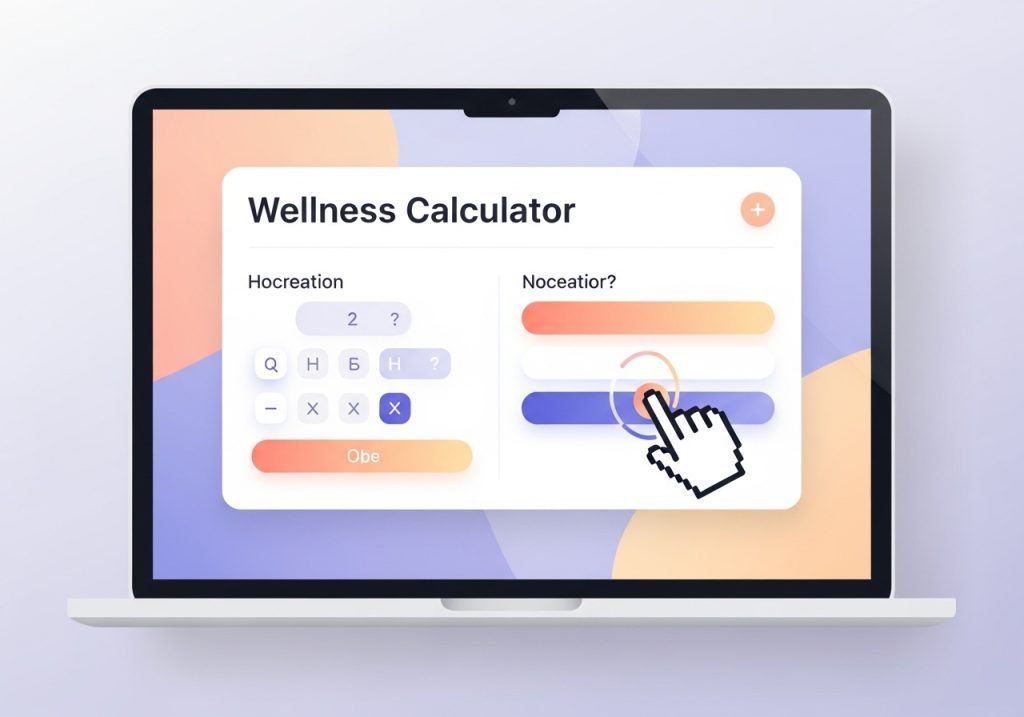
A generic "Contact Us" form is a missed opportunity. It treats every potential client the same and fails to provide any immediate value. The first point of contact should make the individual feel seen and understood. Instead of asking for just a name and email, you can offer an interactive tool that provides instant, personalized feedback. This could be a "Gut Health Score" calculator, a "Stress Assessment Quiz," or a "Hormone Balance" questionnaire.
When a visitor answers a few targeted questions and receives a personalized score with recommendations, you accomplish several goals at once. You provide them with valuable insight into their health concerns, demonstrating your expertise from the very beginning. You also gather important information that allows you to tailor your follow-up communication. This approach transforms a passive inquiry into an engaging experience, setting a positive and collaborative tone for the entire relationship. By understanding their initial needs, you can begin to collect valuable insights from voice of the customer data before the first consultation even happens.
Step 2: Automate and Educate During Onboarding
The period between a new lead expressing interest and their first official appointment is a critical time for building rapport. Leaving them in silence can create uncertainty and diminish their initial excitement. An automated email onboarding sequence can bridge this gap effectively, ensuring every new client has a consistent and professional experience without adding to your manual workload.
This sequence should do more than just confirm an appointment. Use it as an opportunity to educate and build trust. Here is a sample flow:
- Email 1 (Immediate): A warm welcome that thanks them for their interest, confirms receipt of their information, and outlines the next steps.
- Email 2 (2 days later): An introduction to your practice's philosophy and approach. Share your mission or a short story about why you do what you do.
- Email 3 (4 days later): A client success story or testimonial that resonates with the issues they expressed interest in. This provides social proof and helps them visualize their own success.
- Email 4 (1 day before appointment): A final confirmation with all the necessary details, including links for virtual sessions or directions to your office.
This automated system ensures that new clients feel nurtured and informed, making them more prepared and engaged for their first consultation.
Step 3: Define Clear Communication Channels
Misaligned expectations around communication are a common source of friction in any professional relationship. A client might feel ignored if their email goes unanswered over a weekend, while a practitioner may feel overwhelmed by messages coming through multiple channels at all hours. Excellent customer relations depend on clarity and professional boundaries.
From the beginning of your engagement, clearly define your communication policies. This information should be included in your welcome packet and reviewed during the initial consultation. Specify your business hours, the best way to contact you for different types of inquiries (e.g., patient portal for clinical questions, email for scheduling), and your typical response time. For example, you might state, "Our office hours are Monday to Friday, 9 am to 5 pm. We respond to all messages within one business day." Setting these boundaries respects your time and gives clients the reassurance of a predictable communication structure. It prevents frustration and reinforces the professionalism of your practice.
Step 4: Systematically Collect and Act on Feedback
To truly improve your practice, you need to understand the client experience from their perspective. Assuming everything is going well is not a reliable strategy. Instead, create a simple, systematic process for collecting feedback. This shows clients that you value their opinion and are committed to continuous improvement.
You can send a short, simple survey at key points in the client journey, such as after the first month of a program or upon its completion. Ask direct questions like:
- What was the most helpful part of your experience so far?
- Is there anything we could do to improve your experience?
- On a scale of 1-10, how likely are you to recommend our practice to a friend or colleague?
The most important part of this process is acknowledging and, where appropriate, acting on the feedback you receive. If a client offers a useful suggestion, thank them for it. If you notice a recurring theme in the feedback, make a change to your process. This feedback loop is essential for refinement and is a core component of building a customer loyalty program that keeps clients feeling valued and heard.
Step 5: Nurture the Relationship After the Program
Your relationship with a client should not end when their program does. Past clients can be a fantastic source of repeat business and referrals, but only if you stay connected. A thoughtful, long-term nurturing strategy keeps your practice top-of-mind and continues to provide value, reinforcing the positive relationship you have already built.
This does not require a significant time commitment. A simple monthly or quarterly email newsletter with helpful content, such as new recipes, relevant research summaries, or seasonal health tips, can be very effective. You can also segment your list to send occasional, targeted check-ins or special offers for returning clients. The goal is to maintain a supportive presence in their lives without being intrusive. This long-term trust is one of the most powerful lead generation strategies for health practices, as it turns satisfied clients into your most authentic advocates.
Strong customer relations are the result of intentional design, not chance. By personalizing the first interaction, automating your onboarding, setting clear communication boundaries, collecting feedback, and nurturing long-term connections, you create a client experience that builds deep and lasting trust. These systems not only improve client satisfaction and outcomes but also provide the stable foundation needed to grow a thriving and respected health practice.
Ready to Improve Your Customer Relations from Day One?
The first impression is your best opportunity to build trust. LeadCalculators helps you replace generic contact forms with engaging health quizzes and assessments that provide immediate value to your visitors. You can capture more qualified leads, understand their needs instantly, and start every new relationship on a positive, personalized note. Explore our templates and see how an interactive calculator can transform your client acquisition process. Start building your first calculator for free.