How to Create a Customer Loyalty Program for Your Health Practice

Acquiring new clients for your health practice requires significant time, effort, and marketing spend. While learning how to find clients online is important, retaining your existing clients is what creates a stable, thriving business. A loyal client base leads to better health outcomes, more consistent revenue, and a powerful referral engine. A formal customer loyalty program can provide the structure you need to encourage this long-term partnership.
This guide will walk you through the essential steps to design and launch a loyalty program that feels authentic to your practice and delivers real value to your clients.
What Is a Client Loyalty Program in a Health Practice?
In a clinical or coaching setting, a loyalty program is different from a retail punch card. It is not about earning points on supplement purchases. Instead, it is a structured way to recognize and reward clients for their commitment to their health journey with you. The program acknowledges their continued engagement, celebrates their progress, and encourages them to share their positive experiences with others. It transforms a transactional relationship into a collaborative partnership focused on long-term wellness.
How to Build Your Customer Loyalty Program in 5 Steps
A successful program starts with a clear plan. By following these five steps, you can create a system that benefits both your clients and your practice.
Step 1: Define Your Program’s Goals
Before you decide on rewards or tiers, you must know what you want to achieve. Your goals will shape every other decision you make. Are you trying to increase the number of clients who sign up for a six-month package after their initial consultation? Do you want to generate more qualified referrals? Perhaps your goal is to improve client adherence to protocols between appointments. Define one or two primary objectives for your program. Clear goals, such as "Increase client retention by 15% over the next year" or "Generate 10 new client referrals per quarter," will help you measure success and keep the program focused.
Step 2: Select Meaningful Client Rewards
The rewards you offer must be valuable to your specific clients. Generic discounts may not be as motivating as perks that support their health goals. Consider what your clients would truly appreciate. Think about low-cost, high-value options that deepen your professional relationship and provide genuine utility. The best rewards reinforce the value you provide and help clients stay engaged with their health plan.
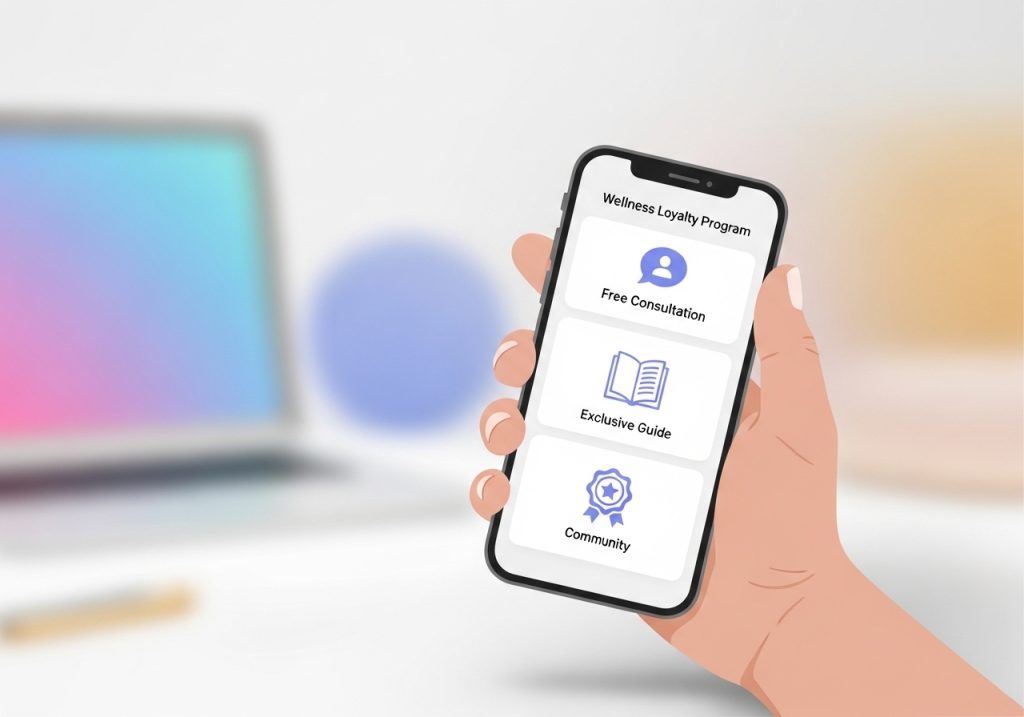
Here are a few ideas to get you started:
- A complimentary 15-minute check-in call between scheduled appointments.
- Exclusive access to a new webinar or a digital guide on a relevant topic, like stress management or healthy meal prep.
- A small discount on a specific lab test or a follow-up consultation.
- Early access and priority registration for new group programs or workshops.
- A referral bonus, such as a credit toward their next session when a friend signs up.
Step 3: Structure Your Customer Loyalty Program
With your goals and rewards in mind, you can design the program's mechanics. A simple structure is often the most effective. A complicated points system can create confusion and administrative work. Instead, focus on clarity and ease of use.
One popular approach is a tiered system. For example, a client who completes a three-month program could reach a “Wellness Partner” tier, unlocking a specific set of perks. Another option is an informal referral program, where you simply offer a thank-you reward each time a client sends a new person your way. You could also create a "milestone" program that rewards clients for hitting specific goals in their health journey. Choose a structure that is easy for you to manage and simple for clients to understand.
Step 4: Announce and Promote Your Program
Once your program is ready, you need to let people know about it. Integrate the information into your client communications. You can introduce the program during the onboarding process for new clients so they understand the long-term benefits of working with you from day one. This positions your practice as a partner in their health for the long haul.
For existing clients, send a dedicated email explaining the program and how they can participate. Add a page or section to your website that details the loyalty program’s benefits and structure. Mention it casually at the end of appointments when appropriate. The key is to communicate the value clearly and consistently without being pushy.
Step 5: Track Progress and Gather Feedback
You do not need complex software to manage your program. A simple spreadsheet can track client milestones, referrals, and redeemed rewards. You can also use existing tools to manage client relationships and data. Set a recurring time on your calendar, maybe once a month, to update your tracker and review progress toward your goals. This allows you to see what is working and what is not.
It is also a good idea to ask for feedback. During a check-in call, you might ask a client what they think of the program or if there are other rewards they would find helpful. This direct input is invaluable for refining the program and ensuring it remains relevant and appealing to your clients over time.
Nurturing Loyalty From Day One
A formal loyalty program is an excellent tool for retention, but true client loyalty begins with the very first interaction. It starts with building trust and demonstrating that you can provide the personalized answers they are looking for. When a potential client lands on your website, they are searching for a solution to a specific health problem. An interactive tool can immediately engage them in a way that a static blog post cannot. This is why health-focused calculators are so effective for initial lead generation.
This initial exchange of value, where they receive personalized insight in return for their information, sets the stage for a trusting, long-term professional relationship. A loyalty program then becomes a natural extension of the value you have been providing from the beginning.
Ready to build the foundation for lasting client relationships? LeadCalculators helps you create that powerful first impression. Our embeddable calculators give your website visitors instant, personalized health insights, turning passive visitors into engaged, qualified leads. Start building trust from the first click and create a client base that stays, succeeds, and refers.