A Practical Guide to Customer Segmentation for Health Professionals

As a health and wellness professional, you want to attract clients who are truly ready for the transformation you offer. You are not looking for just anyone. You are looking for the right people, those who will engage with your programs, see results, and become your best success stories. General marketing can feel like shouting into a void, but a focused approach can change everything. Effective customer segmentation is the key to connecting with your ideal clients by understanding their specific needs and speaking directly to them.
By grouping potential clients based on shared characteristics, you can tailor your messaging, offers, and content to resonate deeply. This means less wasted marketing effort and more high-quality leads who see you as the specific solution to their unique health challenges. This guide provides a practical, step-by-step process for implementing customer segmentation in your health practice.
Step 1: Understand What Customer Segmentation Is (And Isn't)
First, it is important to clarify what customer segmentation involves. It is not about creating a single, generic "ideal client avatar." While avatars can be a useful starting point, segmentation is a more dynamic and data-driven process. It involves dividing your entire audience into smaller, distinct groups based on specific, measurable criteria.
Think of it this way. An avatar might be "Stressed Susan," a 45-year-old executive. Segmentation goes deeper. It identifies groups like:
- Women ages 40-55 experiencing perimenopausal symptoms.
- Men over 50 with concerns about metabolic health and energy levels.
- Young adults struggling with digestive issues and food sensitivities.
Each of these groups has different pain points, goals, and motivations. They use different language to describe their problems and search for different solutions online. Segmentation allows you to move beyond a one-size-fits-all message and create communication that feels personal and relevant to each group. It is the foundation for more effective marketing and stronger client relationship management.
Step 2: Collect Meaningful Client Data
Effective segmentation depends on good data. To group your audience meaningfully, you need to look beyond basic demographics like age and gender. The most valuable information for a health practice relates to a person's health journey, mindset, and lifestyle.
Consider collecting data points such as:
- Primary Health Concern: What is the main symptom or condition they want to address (e.g., hormone imbalance, gut health, chronic fatigue)?
- Health Goals: What specific outcomes are they looking for (e.g., more energy, better sleep, weight loss, pain reduction)?
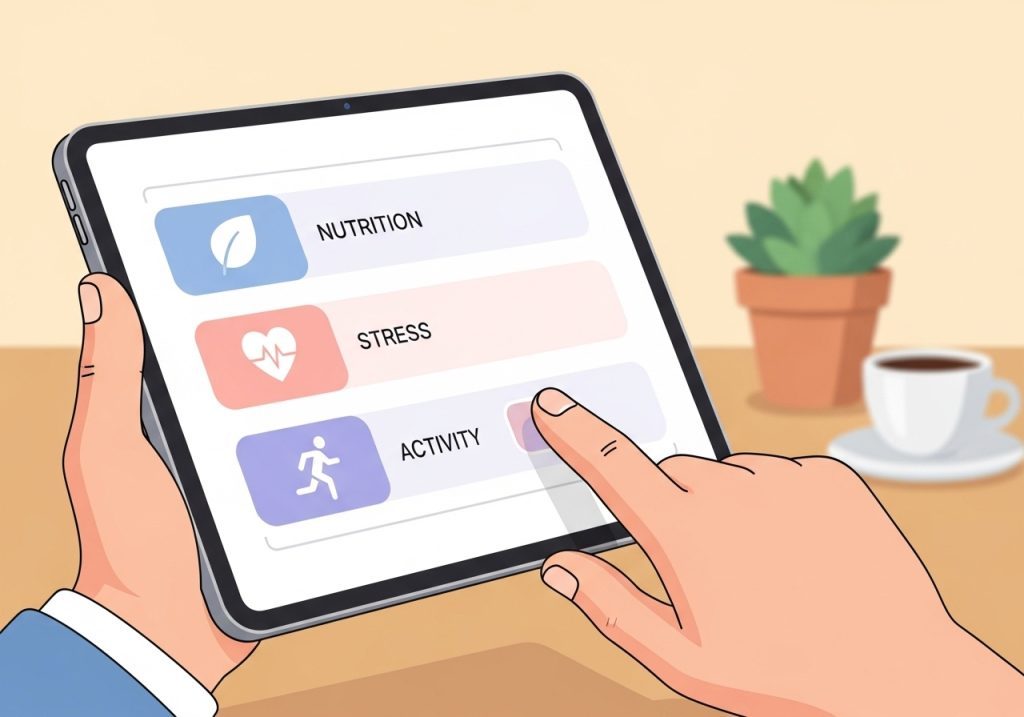
- Lifestyle Factors: What are their daily habits related to diet, exercise, stress, and sleep?
- Knowledge Level: Are they new to functional or holistic health, or are they well-informed and looking for advanced support?
- Urgency and Motivation: How ready are they to invest time and resources into making a change?
You can gather this information through several channels. Intake forms for new clients, discovery call questionnaires, and website surveys are excellent sources. One of the most efficient methods is using an interactive quiz or calculator on your website. A "Hormone Health Score" or "Gut Health Assessment" quiz can capture this vital data automatically before a person even books a call. This approach helps you use voice of the customer data to understand their needs in their own words.
Step 3: Define Your Core Segments
Once you have collected the data, the next step is to look for patterns and create your core segments. Analyze the information from your intake forms, call notes, and quiz results. You will likely start to see clear groupings emerge.
Your goal is to create 3-5 primary segments that represent the majority of your client base. Give each segment a descriptive name that helps you and your team quickly understand who they are. For example, a functional medicine practitioner might define segments like:
- " The Burnout Professional": High-stress individuals with symptoms of adrenal and thyroid dysfunction. They need solutions that fit into a busy schedule.
- " The Health Detective": People who have seen multiple practitioners without answers. They are highly motivated, well-researched, and looking for a deep-dive, root-cause approach.
- " The Postpartum Rebalancer": New mothers struggling with hormone shifts, fatigue, and nutrient depletion. They need gentle, supportive guidance.
For each segment, create a simple profile that outlines their main challenges, goals, common objections, and the language they use. This document will become your guide for all future marketing and content creation.

Step 4: Tailor Your Marketing and Content
With clearly defined segments, you can now stop marketing to everyone and start speaking directly to specific groups. This targeted approach makes your marketing far more effective. It shows potential clients that you understand their specific situation and have a tailored solution.
Here’s how you can apply your segments:
- Website Content: Create service pages or blog posts that address the unique problems of each segment. For example, a post titled "3 Ways Busy Professionals Can Combat Adrenal Fatigue" will attract "The Burnout Professional" segment.
- Lead Magnets: Develop different free resources for each segment. "The Health Detective" might appreciate a detailed guide on interpreting lab work, while "The Postpartum Rebalancer" would value a 7-day meal plan for lactation support.
- Email Marketing: Tag subscribers based on their segment (you can do this automatically with a quiz). Send them email sequences with content, case studies, and offers that are highly relevant to their needs.
- Social Media: Craft posts that use the language and address the pain points of a specific segment. This helps the right people self-identify and engage with your content.
This targeted approach is central to modern lead generation strategies, as it focuses on quality over quantity.
Step 5: Automate Segmentation with the Right Tools
Manually segmenting every new lead can be time-consuming. Fortunately, technology can automate much of this process, allowing you to focus on client care instead of administrative tasks. The right tools can help you gather data, assign leads to segments, and trigger personalized follow-up automatically.
Marketing automation platforms and email service providers often have tagging and segmentation features. You can set up rules to tag contacts based on which lead magnet they downloaded or which pages they visited on your website.
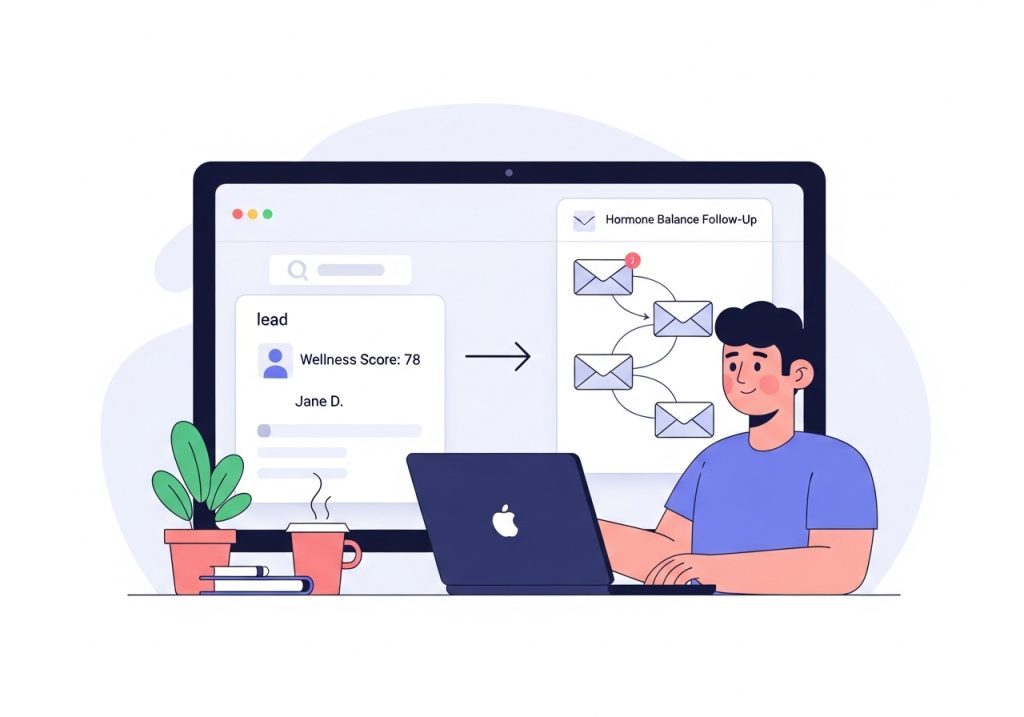
An even more powerful approach is to use an interactive lead calculator. When a potential client completes a calculator on your site, such as a "Metabolic Health Score" assessment, the tool can:
- Instantly deliver a personalized score and initial recommendations, providing immediate value.
- Capture their contact information as a qualified lead.
- Automatically segment them based on their score and answers. For instance, anyone with a low score might be tagged as "High Priority" and entered into a specific email nurture sequence that encourages them to book a discovery call.
This automation ensures that every new lead is categorized correctly and receives the most relevant information from the very first interaction, creating a smooth and professional experience.
By implementing a thoughtful customer segmentation strategy, you transform your marketing from a generic broadcast into a series of meaningful conversations. You attract clients who are a better fit for your practice, which leads to better results, more powerful testimonials, and a more fulfilling and sustainable business. The key is to start with data, define clear groups, and use that insight to personalize every aspect of your communication. This targeted approach not only fills your calendar but also builds a strong foundation of trust with your audience.
Attract and Qualify Your Ideal Clients Automatically
Ready to stop sorting through unqualified leads and start attracting clients who are ready for your help? LeadCalculators makes it simple to implement powerful customer segmentation without the tech overwhelm. Our interactive calculators engage your website visitors, give them personalized insights, and automatically segment them for you.
See how you can turn more of the right visitors into booked calls and dedicated clients. Explore our templates or start your free trial today.