What Are Health Disparities and Why They Matter for Your Practice

Health disparities are preventable differences in the burden of disease, injury, and opportunities for optimal health that are experienced by socially disadvantaged populations. As a health and wellness professional, understanding the root causes of these gaps is essential for providing effective, equitable care that leads to lasting client outcomes. These are not just statistics; they represent the real-world challenges your clients face, from food insecurity to lack of access to safe recreational spaces, all of which impact their ability to follow your recommendations.
What Are Health Disparities? A Clear Definition
At its core, the term "health disparities" refers to inequalities in health outcomes between different groups of people. These differences are closely linked with social, economic, or environmental disadvantages. According to the Centers for Disease Control and Prevention (CDC), these are not random occurrences but are systemic and avoidable. They are often the result of policies and practices that create unequal access to resources.
It is important to distinguish this concept from health equity. While health disparities describe the problem of inequality, understanding what health equity is points to the solution: a state where everyone has a fair and just opportunity to be as healthy as possible. Achieving health equity requires removing obstacles like poverty and discrimination. For your practice, this means looking beyond a client's immediate symptoms to understand the broader context of their life.
Key Drivers of Health Inequities You See in Your Practice
The factors that contribute to health disparities are often called social determinants of health. These are the conditions in the environments where people are born, live, learn, work, and age that affect a wide range of health outcomes. As a practitioner, you likely encounter the effects of these drivers every day, even if they are not explicitly discussed in a consultation.
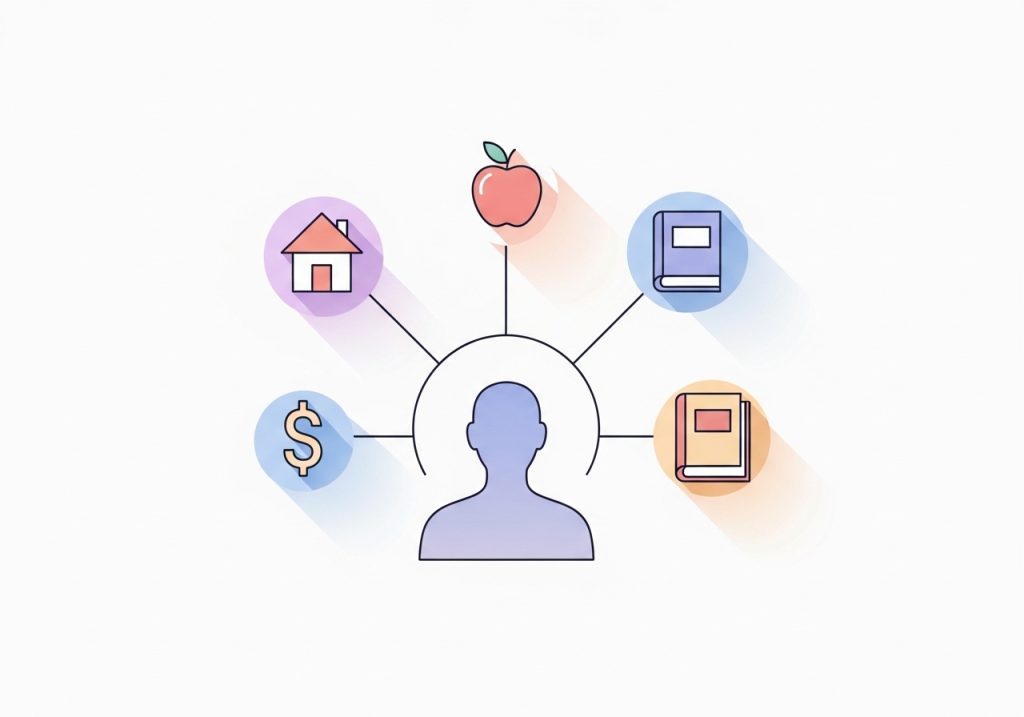
According to research from organizations like the Kaiser Family Foundation, these determinants have a greater influence on health than clinical care alone. Key drivers include:
- Socioeconomic Status: A client's income level, education, and occupation can significantly impact their health. For instance, a person with a lower income may struggle to afford nutrient-dense organic foods, high-quality supplements, or even transportation to your office.
- Physical Environment: Where a person lives matters. A client's neighborhood might lack safe parks for exercise, have limited access to grocery stores with fresh produce (food deserts), or expose them to higher levels of pollution.
- Healthcare Access and Quality: This involves more than just having insurance. It includes the availability of providers, navigating complex systems, and receiving culturally competent care that respects a client's background and beliefs.
- Social and Community Context: Strong social support networks can be a powerful health asset. Conversely, factors like discrimination, social isolation, and chronic stress can have profound negative effects on physical and mental well-being.
Why Addressing Health Disparities Strengthens Your Practice
Actively working to understand and mitigate the effects of health disparities is not just an ethical imperative; it is also a sound strategy for building a more successful and resilient practice. When you create an environment that acknowledges and addresses these challenges, you foster deeper relationships with clients and achieve better results together.
The benefits of this approach are clear:
- Improved Client Outcomes: When your care plans account for a client’s real-life circumstances, they are more likely to be achievable and sustainable. This leads to better adherence, more significant progress, and higher client satisfaction.
- Enhanced Trust and Rapport: Clients who feel seen and understood on a deeper level are more likely to trust your guidance. This rapport is the foundation of a strong practitioner-client relationship and encourages long-term engagement.
- A Stronger Reputation: A practice known for its compassionate, equitable, and effective care will naturally attract more referrals. You become a trusted resource in your community, known for getting results because you treat the whole person.
- Greater Professional Fulfillment: Helping clients overcome significant barriers to achieve their health goals is incredibly rewarding. It aligns your work with a larger purpose of promoting community well-being and contributing to a more just healthcare system. This approach also aligns with the principles of understanding population health to better serve your community.
Practical Steps to Identify and Reduce Health Gaps for Your Clients
Addressing health disparities does not require a complete overhaul of your practice. It starts with small, intentional changes in how you gather information, communicate with clients, and design your care plans. The goal is to move from a one-size-fits-all model to one that is flexible, personalized, and context-aware.
Here are a few actionable steps you can take:
- Broaden Your Intake Process: Modify your intake forms to include questions that gently probe social determinants. Ask about stress levels, access to healthy foods, social support systems, and financial concerns related to their health plan. This gives you a more complete picture from the start.
- Practice Active Listening: During consultations, listen for clues about potential barriers. A client mentioning they work two jobs might struggle to find time for meal prep. A client who lives far away might benefit from telehealth options. Pay attention to what is said and what is left unsaid.
- Co-Create Realistic Plans: Work with your client to develop a plan that fits their life. If your ideal recommendation is not feasible, brainstorm alternatives. For example, if organic produce is too expensive, focus on the "Clean Fifteen" and "Dirty Dozen" lists. If gym access is an issue, suggest at-home workout routines.
- Use Tools for Upfront Personalization: Before a client even books a call, you can begin to understand their needs. Interactive tools, like a "Wellness Score" or "Hormone Balance" calculator, can provide immense value. They give potential clients immediate, personalized feedback while collecting information that helps you tailor your initial conversation. This method is a great way to attract new clients by showcasing your expertise and personalized approach from the very first interaction.
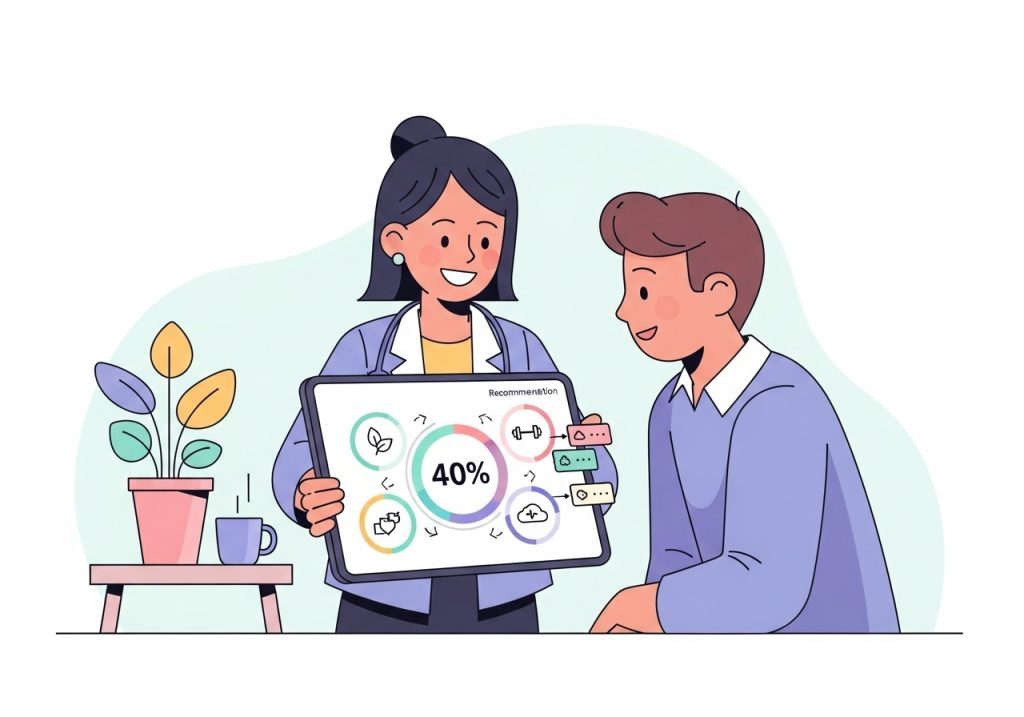
Ultimately, recognizing and addressing health disparities is about practicing with empathy and creativity. It means acknowledging that health is shaped by far more than individual choices. By integrating this awareness into your practice, you not only improve outcomes for individual clients but also contribute to a healthier, more equitable community. The work you do becomes more effective, more meaningful, and more impactful.
Turn Insight into Impact with Interactive Calculators
Understanding your clients' unique challenges is the first step to providing truly personalized care. LeadCalculators makes it easy to gather those crucial insights before the first call. Our embeddable calculators deliver instant value to your website visitors, giving them personalized scores and recommendations while you capture qualified leads who are ready for your expertise. Start turning browsers into booked clients and build a practice that truly meets people where they are. Explore our templates and see how it works.