What Is Holistic Medicine? A Guide for Health Practitioners
Holistic medicine is a health philosophy that treats the whole person, including their body, mind, spirit, and emotions, to achieve optimal health and wellness. For health and wellness practitioners, understanding this approach is not just an academic exercise. It is a powerful framework for delivering more comprehensive care, improving client outcomes, and building a practice that addresses the root causes of illness instead of just managing symptoms.
Defining the Holistic Approach to Patient Care
At its core, holistic medicine operates on the belief that all parts of a person's life are interconnected. A physical symptom, like chronic migraines, might not stem from a purely physical issue. It could be linked to emotional stress, dietary habits, environmental factors, or even a lack of spiritual fulfillment. A holistic practitioner seeks to understand these connections rather than isolating the symptom.
This approach views the body as having innate healing capabilities. The practitioner's role is to facilitate this natural process. According to the Association of Accredited Naturopathic Medical Colleges, the goal is to use natural, non-invasive methods whenever possible. This means treatment is often a collaborative effort between the practitioner and the patient, focusing on education and lifestyle changes as primary therapeutic tools.
Think of it like tending to a plant. You wouldn't just paint a yellowing leaf green to "fix" the problem. You would check the soil, the water, the sunlight, and the surrounding environment to understand why the leaf is yellow. Holistic medicine applies this same comprehensive diagnostic thinking to human health, ensuring you're nurturing the entire system, not just patching up visible issues. This patient-first mindset is a key component of implementing patient-centered care in your practice.
The Core Principles of Holistic Medicine
While specific techniques may vary, all holistic practices are guided by a shared set of principles. These foundational ideas are what separate a holistic approach from a purely conventional one. Understanding them is key to integrating this philosophy into your own work with clients.
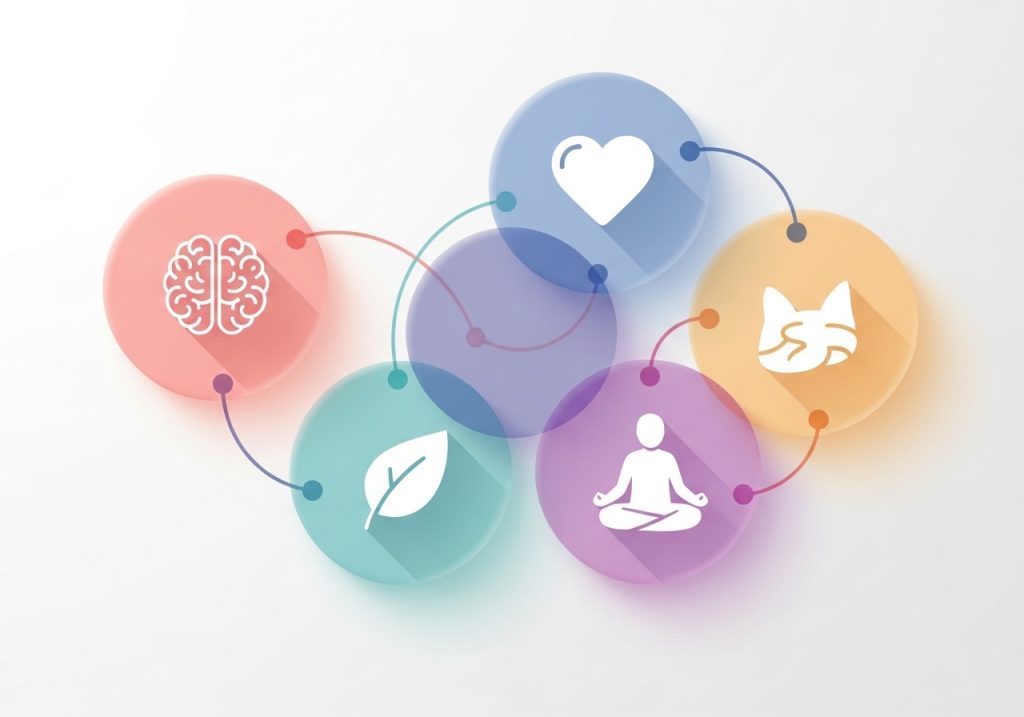
- Optimal Health is the Goal: The focus extends beyond simply the absence of disease. It is about creating a state of positive vitality and well-being across all areas of a person's life.
- The Patient is a Person, Not a Disease: Holistic care emphasizes the uniqueness of each individual. Treatment plans are highly personalized and consider a person’s complete physical, emotional, social, and spiritual state.
- Healing Power of Love and Connection: A core belief is that a supportive, compassionate relationship between practitioner and patient is, in itself, a therapeutic tool. Trust and empathy are essential.
- Treat the Root Cause: Rather than suppressing symptoms, holistic practitioners work to identify and address the underlying cause of a health issue. A symptom is seen as a message from the body that something is out of balance.
- Integration of Healing Systems: Practitioners are encouraged to use a wide range of safe and effective treatment options. This can include a blend of conventional medicine, alternative therapies, and traditional practices from around the world.
- Emphasis on Prevention and Education: The primary focus is on preventing illness before it starts. Patient education is a major component, empowering individuals to take an active role in their own well-being through lifestyle choices. This ties into the broader concept of understanding how health components create overall wellness.
What Is Holistic Medicine in Practice? Common Modalities
So, what does holistic care actually look like during a client interaction? It involves a wide spectrum of therapies and diagnostic methods that address the whole person. A practitioner might be trained in one or several of these modalities and will often collaborate with other specialists to provide comprehensive care. According to sources like Cleveland Clinic, a holistic doctor uses a whole-body approach, combining various treatments tailored to the individual.
Here are some common modalities used in holistic medicine:
- Nutritional Counseling: Using food as medicine to correct imbalances, reduce inflammation, and support bodily functions. This can include personalized diet plans, supplement recommendations, and education on mindful eating.
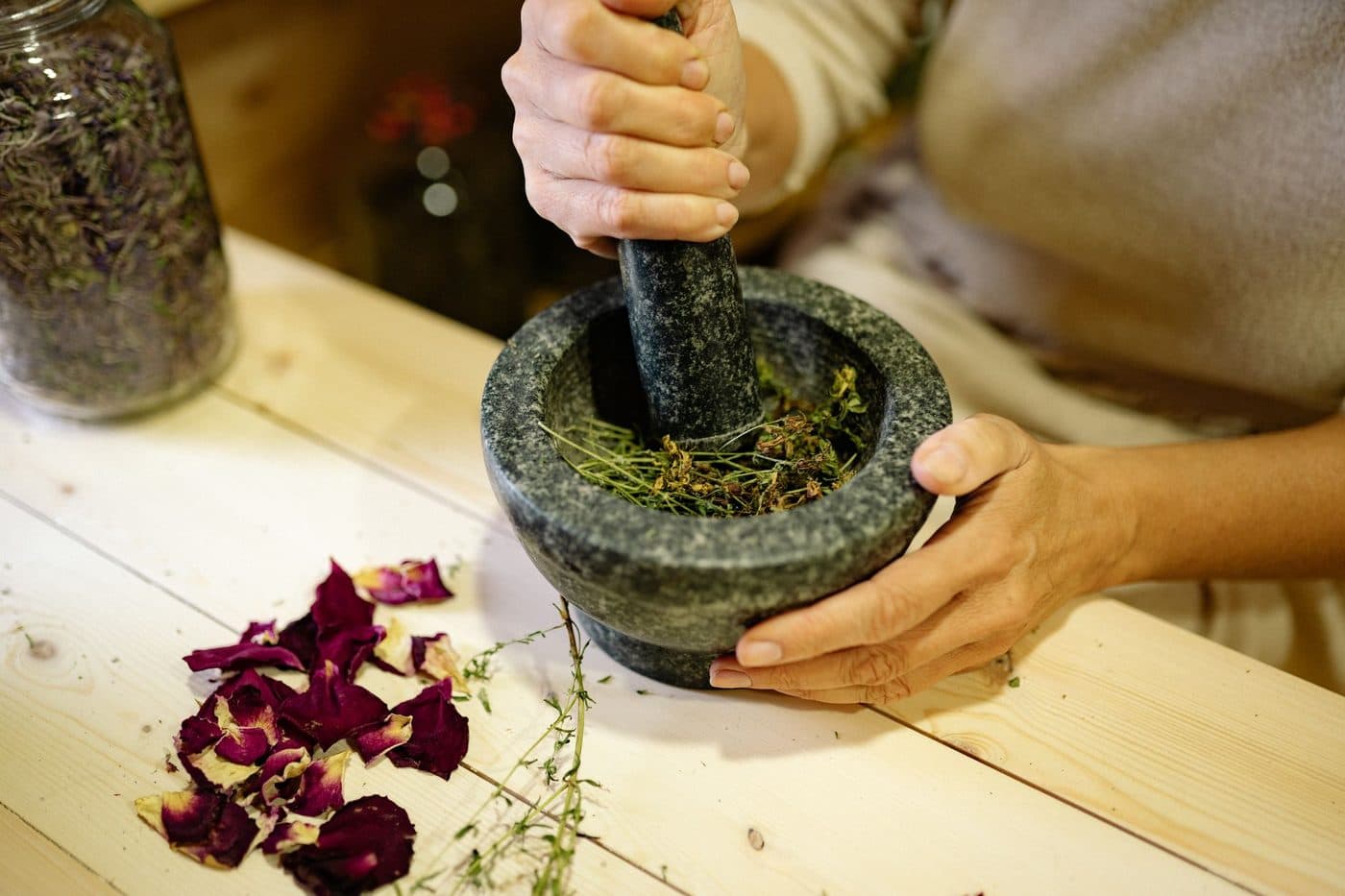
- Botanical Medicine: The use of plants and herbal extracts for their therapeutic properties to treat conditions and promote health.
- Mind-Body Techniques: Practices like meditation, mindfulness, biofeedback, and guided imagery that help manage stress and influence physical health through mental focus. Some practitioners specialize in related fields like somatic coaching to address the mind-body connection directly.
- Acupuncture and Traditional Chinese Medicine (TCM): Ancient practices focused on balancing the body's energy flow (Qi) to prevent and treat illness.
- Naturopathic Medicine: A system that uses natural remedies to help the body heal itself. It embraces many therapies, including herbs, massage, acupuncture, exercise, and nutritional counseling.
- Chiropractic Care: Focuses on the body's structure, primarily the spine, and its functioning. Chiropractors use adjustments to restore joint function and support the nervous system.
- Massage Therapy: Manipulation of soft tissues to improve circulation, relieve muscle tension, and reduce stress.
Integrating Holistic Principles into Your Practice
You do not need to be certified in every modality to adopt a more holistic mindset. Integrating these principles can start with small, meaningful changes to your current process. The goal is to broaden your perspective and gather a more complete picture of each client's life and health.
Start by refining your intake process. Your initial assessment is the best opportunity to look beyond the primary complaint. Ask questions about:
- Stress Levels: What are their major life stressors at work and home? How do they manage stress?
- Diet and Nutrition: What does a typical day of eating look like? Do they have any known food sensitivities?
- Sleep Quality: How many hours do they sleep? Do they wake up feeling rested?
- Relationships and Social Support: Do they have a strong support system? Do they feel connected to their community?
- Physical Activity: What kind of movement do they get regularly?
- Emotional Well-being: How would they describe their overall mood? Do they experience frequent anxiety or sadness?
By asking these questions, you demonstrate that you care about them as a whole person. This builds trust and provides you with critical information that can reveal the root cause of their health issues. The insights gained can help you create more effective, personalized, and sustainable treatment plans.
How Interactive Tools Support a Holistic Assessment
Gathering comprehensive data for a holistic assessment can be time-consuming. It often involves long paper forms that are difficult to analyze and track over time. This is where modern digital tools can make a significant impact on your practice's efficiency and effectiveness.

Interactive calculators, for example, can automate much of this data collection. Instead of a static questionnaire, you can create a dynamic "Wellness Score" or "Stress Index" calculator that clients can complete on your website before their first appointment. The calculator can ask targeted questions about diet, lifestyle, and emotional health, then instantly provide a personalized score and summary.
This approach offers several benefits:
- Deeper Client Insights: You receive a detailed report on each client before you even meet them, allowing you to prepare for a much more productive initial consultation.
- Increased Client Engagement: The interactive format is more engaging than a standard form. Clients receive immediate value in the form of their score, which can motivate them to book a consultation to discuss the results.
- Efficient Lead Generation: A well-designed calculator acts as a powerful lead magnet. It provides genuine value upfront, making potential clients more willing to share their contact information. This is an effective strategy for health practitioners wanting to attract new clients who are already invested in their health.
By using such a tool, you are not just collecting data. You are starting the therapeutic relationship from a place of holistic understanding, armed with the information you need to truly address the whole person.
Adopting a holistic framework strengthens your ability to facilitate lasting health transformations for your clients. It shifts the focus from temporary fixes to sustainable well-being. By considering the intricate connections between all aspects of a person’s life, you can provide a level of care that is both deeply compassionate and highly effective.
Start Your Holistic Client Intake Today
Ready to streamline your holistic assessments and attract more committed clients? LeadCalculators makes it easy to build custom quizzes and health-score calculators for your website. Give potential clients instant, personalized insights into their well-being, and get the comprehensive data you need to provide true whole-person care. Start turning website visitors into qualified, engaged leads for your practice.