What Is Somatic Coaching? A Guide for Health Practitioners

Somatic coaching is a body-centered method that helps clients understand and process their experiences by focusing on physical sensations, movements, and internal awareness. Unlike traditional talk-based coaching that prioritizes cognitive insights, this approach operates on the principle that our bodies hold valuable information about our stress, past experiences, and emotional patterns. For health and wellness practitioners, understanding somatic coaching can provide another powerful tool to support clients in achieving deeper, more sustainable well-being.
What Is Somatic Coaching? A Body-Centered Approach
Somatic coaching brings the body into the conversation as an equal partner to the mind. The term "somatic" originates from the Greek word "soma," which means "the living body in its wholeness." The core idea is that our physical self is not just a vehicle for our brain; it is an intelligent system that stores memories, emotions, and beliefs. These can manifest as chronic muscle tension, shallow breathing, or a persistent feeling of unease.
Think of it like this: a client might intellectually understand that a past event is no longer a threat, but their body may still react with a racing heart or clenched jaw when reminded of it. Somatic coaching works directly with these physical responses, helping the client notice them without judgment and learn how to regulate their nervous system. The goal is not just to talk about change but to embody it, creating new neural pathways that support resilience and calm.
This approach views the body as a resource for healing and self-discovery. By learning to interpret its signals, clients can access insights that are unavailable through cognitive analysis alone. It shifts the focus from "thinking our way out" of a problem to "feeling our way through" it, leading to a more integrated sense of self.
The Core Principles of Somatic Methodologies
Somatic coaching is built on several key principles that guide the practitioner-client relationship. These concepts help create a safe space for clients to explore their inner world through bodily awareness.
- Interoception: This is the ability to sense signals from within your own body, such as your heartbeat, breathing, and gut feelings. Research from the National Institutes of Health highlights how improving interoceptive awareness is key to treating trauma-related symptoms. A somatic coach helps clients develop this skill, teaching them to listen to their body's subtle cues.
- Embodiment: This principle involves helping clients feel more present and at home in their bodies. It's about moving from a state of disconnection to one of grounded awareness. Embodiment helps individuals act from a place of authenticity rather than reacting based on old patterns.
- Pendulation: A technique central to many somatic therapies, pendulation involves guiding a client to gently move their attention between a state of stress or activation and a state of calm or resourcefulness. This rhythmic process helps the nervous system build its capacity to self-regulate, preventing it from getting stuck in fight-or-flight mode.
- Co-regulation: The coach provides a calm and grounded presence, which helps the client's nervous system feel safe enough to explore difficult sensations. The coach's stable state helps the client's system regulate, modeling what it feels like to be settled and present.
- Resource Building: The coach helps the client identify sources of strength, stability, and pleasure within their own body. This could be the feeling of their feet on the ground, the warmth of their hands, or a deep, calming breath. These resources serve as anchors when navigating challenging emotions or sensations.
By using these principles, the body is treated as a living laboratory where clients can gain a deeper understanding of themselves and their automatic responses.
How Somatic Techniques Benefit Your Clients
Integrating somatic awareness into your work can produce significant and lasting benefits for your clients, often complementing the nutritional, functional, or medical advice you already provide. Clients who engage with somatic work can experience profound shifts in their overall health.
Here are some of the key outcomes:
- Improved Nervous System Regulation: Many clients, especially those with chronic illness or stress, live in a state of sympathetic nervous system dominance (fight-or-flight). Somatic techniques teach them how to consciously activate their parasympathetic nervous system (rest-and-digest), leading to reduced anxiety and better physiological balance.
- Deeper Self-Awareness: By tuning into their bodies, clients can identify the root causes of their behaviors and symptoms. They may realize that their digestive issues flare up when they feel unheard or that their headaches are linked to unexpressed anger. This awareness is the first step toward meaningful change.
- Increased Resilience to Stress: Somatic coaching builds a client's capacity to handle life's challenges without becoming overwhelmed. They learn to recognize the early signs of stress in their body and use grounding techniques to return to a state of equilibrium.
- Release of Stored Tension: Chronic stress and unresolved trauma often lead to physical patterns of holding, such as tight shoulders or a constricted diaphragm. Somatic work helps release this stored tension, which can alleviate physical pain and improve energy levels.
- Greater Emotional Intelligence: Clients develop a richer vocabulary for their internal experiences. They learn to differentiate between sensations and the stories they tell about them, allowing for more authentic emotional expression and connection with others. This ultimately supports a more patient-centered approach to their own health journey.
Integrating Somatic Principles into Your Health Practice
You don’t need to be a certified somatic coach to begin incorporating body-centered awareness into your practice. Simple adjustments to your client interactions can help them connect with their physical experience and provide you with deeper insights into their health challenges.
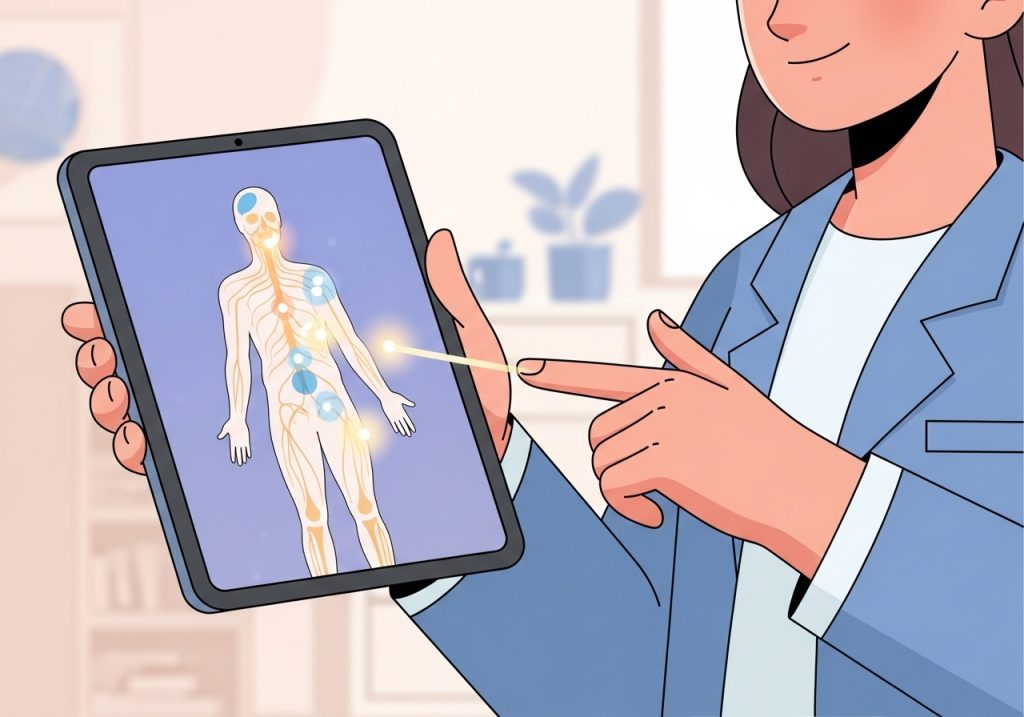
Consider adding questions to your intake forms or sessions that invite somatic reflection. For example:
- "When you think about this health concern, where do you feel it in your body?"
- "What physical sensation is most present for you right now?"
- "Before the migraine starts, are there any subtle feelings in your neck or shoulders?"
- "When your digestion feels good, what does that feel like physically?"
You can also introduce simple grounding exercises at the beginning or end of a session. Guide your client to feel their feet on the floor, notice the support of their chair, or take a few conscious breaths. These small practices help clients transition out of a purely cognitive state and into their felt sense, making them more receptive to your guidance.
Using Interactive Tools to Assess Somatic Awareness
For many potential clients, the concept of somatic awareness can feel abstract. They may not recognize how disconnected they are from their body's signals until it's pointed out to them. This is where an interactive tool can be incredibly valuable, both as an educational resource and as a lead generation mechanism.
Imagine offering a "Somatic Awareness Score" calculator on your website. This tool could ask a series of simple questions designed to gauge a person's level of interoception and mind-body connection.
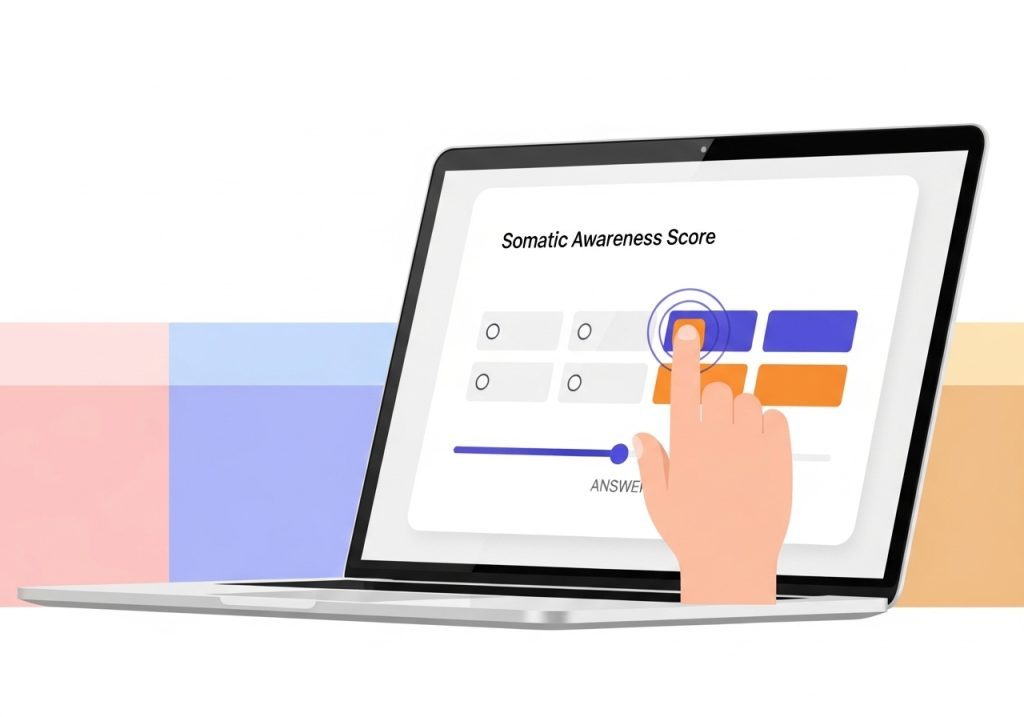
Questions could include:
- "How often do you notice your own breathing pattern during the day?"
- "When you feel stressed, can you identify where you feel it physically?"
- "Are you able to tell the difference between feeling hungry and feeling anxious?"
Based on their answers, the calculator provides an instant, personalized score along with a brief interpretation. For example, a low score might come with a message like, "Your results suggest there's an opportunity to build a stronger connection with your body's signals. This is a common starting point and a key step toward managing stress."
In exchange for this valuable insight, the user provides their email address. You now have a qualified lead who has already shown an interest in the mind-body connection. This provides an effective way to attract new clients who are ready to do deeper work. You can follow up with educational content about somatic principles and invite them to book a discovery call to learn more.
Understanding somatic coaching and its principles adds a rich layer to any health and wellness practice. By acknowledging the body's wisdom, you empower clients to become active participants in their healing journey. Whether you fully integrate somatic techniques or simply start by asking more body-centered questions, this approach can help you deliver more profound and lasting results. This client-centered focus can also help you tap into rising health consciousness and attract individuals who are seeking a more complete approach to their well-being.
Turn Insight Into Action with LeadCalculators
An interactive quiz like a "Somatic Awareness Score" is a powerful way to engage potential clients and show them the value of your approach. With LeadCalculators, you can build custom, embeddable calculators that generate qualified leads for your practice without any technical hassle.
Give your audience instant, personalized feedback that makes them eager to book a call. See how easy it is to create a lead magnet that works for you. Explore our templates or start your free trial today.