5 Practical Steps for Better Customer Retention in Your Wellness Practice

As a health and wellness professional, you dedicate yourself to helping clients achieve their goals. You attract new clients, guide them through transformative programs, and celebrate their successes. But what happens after that initial program ends? Focusing solely on acquiring new clients while neglecting existing ones is a common growth trap. Improving your practice’s customer retention is not just about keeping people on your roster; it’s about building a sustainable business founded on trust, loyalty, and consistent results.
Happy, long-term clients become your best advocates, refer new business, and are more likely to invest in your future services. They have already experienced the value you provide. The key is to continue nurturing that relationship beyond the initial consultation or program. This guide breaks down five practical steps you can take to strengthen client relationships and improve retention in your practice.
Step 1: Map Your Client's Journey
Before you can improve the client experience, you must understand it from their perspective. A client journey map is a visual representation of every interaction a person has with your practice. This process helps you identify moments of friction and opportunities for connection that you might otherwise miss.
Think through every single touchpoint:
- Discovery: How do they first find you? (e.g., social media, Google search, referral)
- Consideration: What happens when they land on your website? Do they read your blog, use a free resource, or book a discovery call?
- Onboarding: What is the process like after they sign up? Consider intake forms, welcome emails, and the first appointment itself.
- Service Delivery: What interactions occur during their program? This includes appointments, check-in emails, and access to materials.
- Post-Program: What happens when their main program concludes? Is there a clear next step, a follow-up plan, or just silence?
By mapping this out, you can spot areas for improvement. For example, you might discover your intake forms are long and confusing, or that clients feel adrift after their program finishes. Addressing these friction points is a foundational step in making clients feel supported and eager to continue working with you.
Step 2: Personalize Every Communication
Generic, one-size-fits-all communication makes clients feel like a number. Personalization, on the other hand, shows that you see them as individuals with unique health journeys. This goes beyond simply using their first name in an email. It’s about tailoring your messages based on their specific goals, history, and where they are in their journey with you.
Effective personalization relies on understanding your client segments and their specific needs. Instead of sending the same weekly newsletter to everyone, you could:
- Send a follow-up article about a topic you discussed in their last session.
- Check in with a client who mentioned they were struggling with a specific dietary change.
- Share a success story from a past client who had similar goals to inspire them.
- Acknowledge important milestones, like the one-year anniversary of their first visit.
This level of detail demonstrates that you are paying attention and are genuinely invested in their long-term well-being. It transforms your communication from marketing into a valuable part of the service you provide.
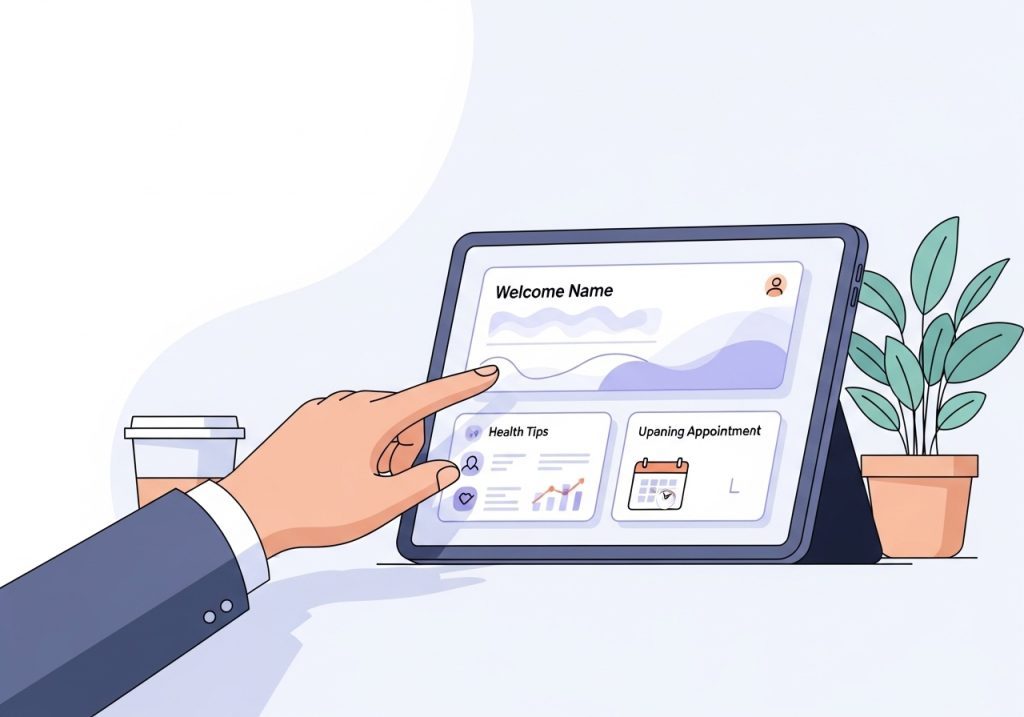
Step 3: Offer Continuous Value Between Appointments
One of the biggest opportunities for improving customer retention is to stay engaged with clients between their scheduled sessions. The time they spend away from your office is when they are implementing your advice and facing real-world challenges. Providing resources that support them during this time keeps them motivated and connected to your practice.
This doesn't have to be time-consuming. You can create systems that deliver value automatically. Consider offering tools like:
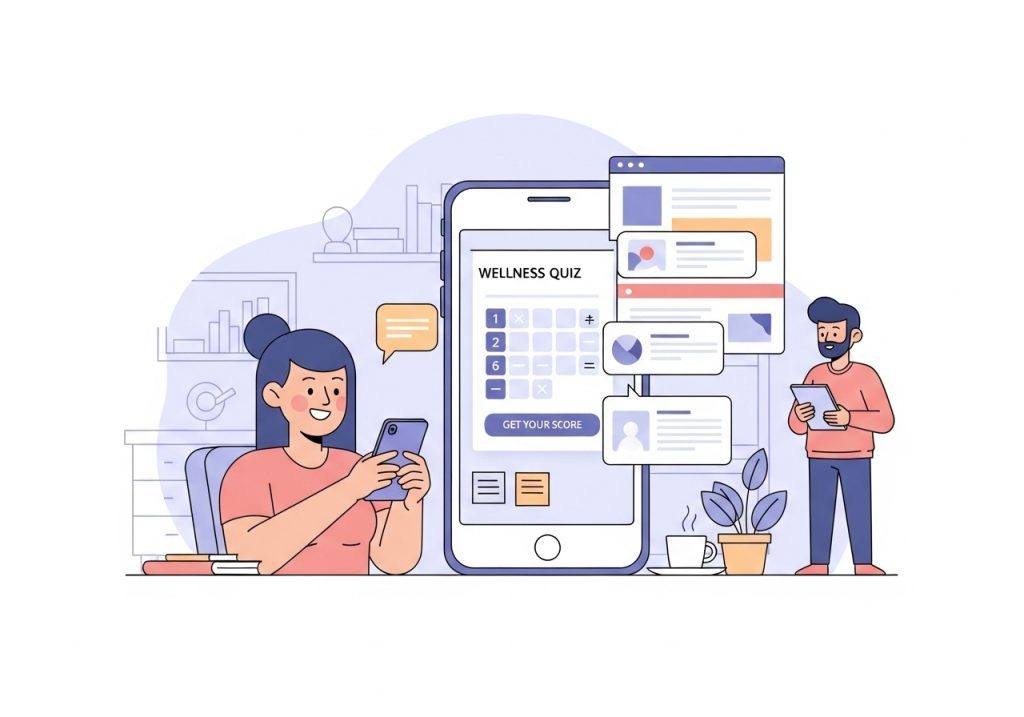
- Interactive Quizzes: A simple "Check Your Stress Score" or "Gut Health Assessment" quiz can provide instant, personalized feedback that keeps clients thinking about their health goals.
- Progress Trackers: Give clients a simple way to track their habits, symptoms, or progress towards a specific outcome.
- Resource Libraries: Maintain a private portal with recipes, exercise guides, or articles relevant to your clients' needs.
- Personalized Calculators: An embeddable calculator, like a "Wellness Score Calculator," gives clients an immediate, tangible result and reinforces the value you offer. They can use it repeatedly to see their progress over time.
These tools empower clients to take an active role in their health journey. They also serve as a constant reminder of your expertise and support, making it an easy decision for them to book their next appointment or program.
Step 4: Systematically Collect and Act on Feedback
Do you know what your clients truly think about your services? Assuming everything is fine is a risky strategy. Actively seeking feedback shows clients that you value their opinion and are committed to improving their experience. The insights you gain are invaluable for refining your offerings and strengthening relationships.
Collecting feedback doesn’t need to be complicated. You can use simple methods:
- Short Email Surveys: After a program ends, send a brief survey with 2-3 questions asking about their experience and results.
- In-Session Check-ins: Make it a habit to ask, "How is this process working for you?" or "Is there anything I could be doing to better support you?" during your appointments.
- Follow-Up Calls: A quick 10-minute call a few weeks after a program can provide deep insights and makes the client feel cared for.
The most important part of this step is to act on what you learn. If several clients mention the same issue, address it. When you implement a change based on feedback, let your clients know. For example, you could send an email saying, "You asked, we listened! Our booking process is now simpler." This closes the loop and proves that their voice matters. Effectively using voice of the customer data not only improves retention but also helps you attract more of the right clients.
Step 5: Develop a Simple Loyalty Program
Acknowledging and rewarding client loyalty is a powerful way to encourage repeat business. A loyalty program doesn't have to be a complex system of points and tiers. For a wellness practice, a simple, thoughtful approach is often more effective.
The goal is to make your long-term clients feel appreciated and special. Consider implementing one of these ideas:
- Exclusive Access: Offer your established clients first access to new programs, workshops, or appointment slots.
- Loyalty Discounts: Provide a small discount on their next package or service after they complete their first one.
- A Thoughtful Gift: A small, relevant gift, like a wellness journal or a high-quality supplement sample, can be a delightful surprise.
- Referral Rewards: Thank clients who refer new business with a credit towards their next session or a small gift card.
A simple gesture of appreciation reinforces the positive relationship you've built. It confirms to the client that their commitment to their health, and to your practice, is valued. Over time, these loyal clients can become your greatest supporters, and you can even build a customer advocacy program around their success stories.
Building a Foundation of Trust
Ultimately, strong customer retention comes down to building strong relationships. By mapping the client journey, personalizing communication, offering continuous value, listening to feedback, and showing appreciation, you create an experience that extends far beyond individual appointments. You build a partnership. This approach not only keeps your schedule full but also creates a community of loyal, healthy, and happy clients who see you as their trusted guide for the long term.
Ready to provide continuous value and keep your clients engaged between appointments? LeadCalculators helps you create interactive wellness quizzes and assessments that deliver instant, personalized insights.
Give your clients a tool to track their progress and stay motivated, while you capture valuable information to better support their journey. See how easy it is to build and embed your first calculator today.