How to Build a Customer Advocacy Program: A 5-Step Guide for Health Practitioners

As a health practitioner, you know that the most powerful marketing comes from a client's genuine success story. A referral from a trusted friend or family member carries more weight than any advertisement. This is the core of customer advocacy : turning your clients' positive outcomes into a sustainable source of growth for your practice. Instead of constantly searching for new leads, you can create a system where your best clients bring the right people to you.
Building a formal program around this concept can seem daunting, but it doesn't have to be. By following a clear, step-by-step process, you can transform informal word-of-mouth praise into a reliable engine for attracting qualified clients. This guide will walk you through the essential steps to create a customer advocacy program that feels authentic to your practice and honors the trust your clients place in you.
Step 1: Identify Your Potential Advocates
Before you can ask for advocacy, you need to know who your biggest supporters are. Not every satisfied client will become a vocal advocate, and that's perfectly fine. Your goal is to identify the individuals who are most likely to be enthusiastic and effective at sharing their positive experiences. Start by looking for a few key indicators.
First, review client outcomes. Who has achieved the most significant, measurable improvements since working with you? These clients have a compelling story to tell because they have experienced the full value of your services. Their success is a clear demonstration of your expertise. Second, consider client engagement. Advocates are often your most committed clients—the ones who attend all their appointments, actively participate in their programs, and communicate openly. Their consistency shows a deep level of trust and buy-in.
Finally, pay attention to unsolicited feedback. Has a client ever sent you an email just to thank you for your help? Have they left a positive comment on a social media post? These small acts of appreciation are strong signals that a client is already an advocate. Keep a simple list of these individuals in your client management system so you know who to approach when you're ready.
Step 2: Create a System for Gathering Feedback
To fuel your advocacy program, you need a steady stream of testimonials, quotes, and success stories. The most effective way to get this is to ask for it systematically. Relying on clients to offer feedback spontaneously is unpredictable. Instead, build a simple process for requesting it at the right moments in their journey.
Timing is critical. The best time to ask for feedback is immediately following a positive milestone. This could be at the end of a specific program, after a breakthrough session, or when they achieve a particular health goal. At this point, their positive feelings are at their peak, and they are more likely to respond. You can automate this process with a simple email sent a day or two after a program concludes.
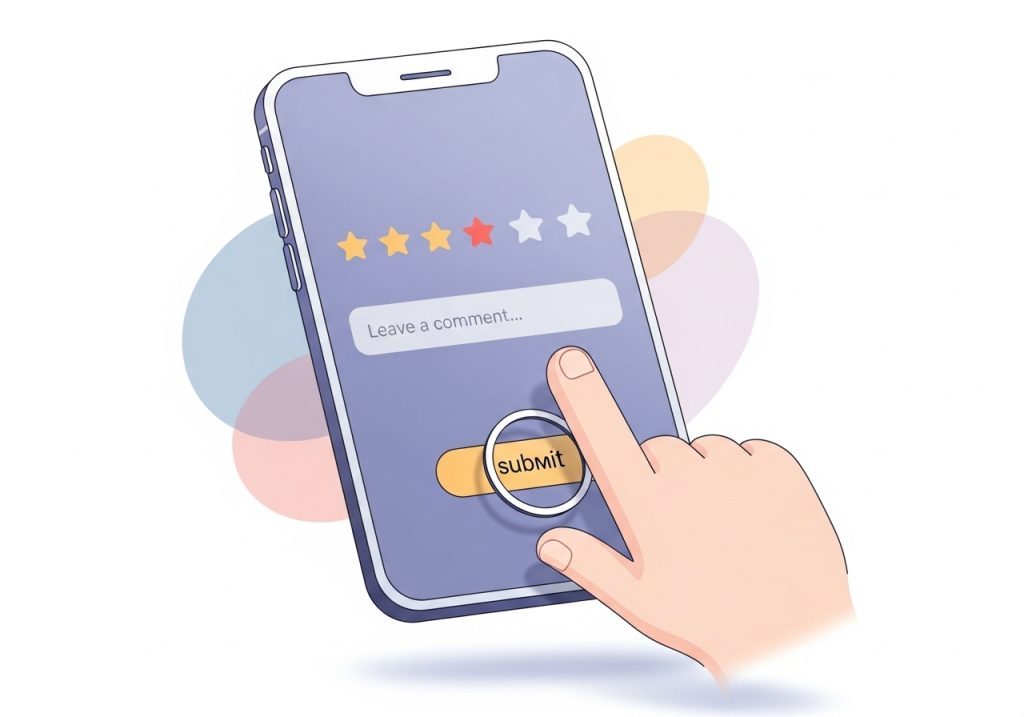
Make the process as easy as possible. A long, complicated survey will deter people. A short form with one or two targeted questions is much more effective. Ask open-ended questions that encourage detailed responses, such as, "What was the most significant change you experienced while working with us?" or "What would you tell someone who is considering our services?" This feedback provides you with powerful testimonials and helps you in understanding what your clients value most, which you can use to refine your marketing messages.
Step 3: Formalize Your Customer Advocacy with a Referral Program
Once you have identified advocates and gathered their stories, the next step is to give them a clear and structured way to refer new clients. While informal word-of-mouth is great, a formal referral program makes the process intentional and rewarding for everyone involved. It turns a passive good feeling into an active, repeatable behavior.
Your program should be simple to understand and participate in. The core of any referral program is the incentive. A common approach is a "give-get" model, where both the advocate and the new client they refer receive a reward. For the advocate, this could be a discount on future services, a credit to their account, or a high-quality supplement or product you recommend. For the new client, it could be an introductory discount on their first consultation or program.
Clearly define the terms. How does someone make a referral? What is the exact reward? When is it paid out? Document these rules on a simple page on your website or in a one-page PDF that you can easily share. A well-defined program removes ambiguity and shows that you value your clients' support. This structured approach is a key component of creating a customer loyalty program that encourages repeat business and referrals.
Step 4: Empower Advocates with Easy-to-Share Resources
Even the most enthusiastic advocate is busy. To maximize their impact, you must make it incredibly easy for them to share their positive experiences. Don't expect them to craft the perfect message from scratch. Instead, provide them with simple, ready-to-use resources that they can share with just a few clicks.
One powerful tool is a unique, shareable link. This link could go to a specific page on your website, a video testimonial, or your online booking page. A great option is to link directly to an interactive quiz or calculator, such as a "Hormone Health Score" or "Metabolic Health Assessment." This gives your advocate something genuinely valuable to share with their network. Their friends get instant, personalized insights, and you get a qualified lead when they enter their email to see their results.

You can also provide pre-written text for different platforms. Create a short email template they can forward to a friend or a few social media posts they can copy and paste. Include your handle and relevant hashtags. By removing all the friction from the sharing process, you significantly increase the chances that your advocates will follow through.
Step 5: Recognize and Reward Your Advocates
The final step is to close the loop by consistently acknowledging and appreciating your advocates. The formal reward from your referral program is important, but genuine recognition goes a long way in making your clients feel valued. This appreciation reinforces their behavior and strengthens their connection to your practice.
Acknowledge every single referral, even if the person doesn't become a client. A simple, personal thank-you email shows that you are paying attention. When a referral does become a client, ensure the advocate receives their reward promptly. Delays can create a poor experience and discourage future advocacy.
Consider going beyond the expected reward. A handwritten thank-you card, a small gift, or a public shout-out on social media (with their permission) can have a huge impact. These gestures show that you see them as a person and a valued partner, not just a source of leads. This consistent, positive interaction is fundamental to strengthening your overall customer relations and building a community around your practice.
Conclusion
A customer advocacy program is more than a marketing strategy. It is a system for scaling the trust you work so hard to build with each client. By methodically identifying your supporters, gathering their stories, creating a formal referral system, empowering them with easy-to-use tools, and genuinely recognizing their contributions, you create a powerful and authentic growth channel. It transforms the positive results you deliver into a community of advocates who are invested in your success, allowing you to spend less time on marketing and more time helping people achieve their health goals.
Your clients' success stories are your most powerful marketing asset. Give them a tool that's easy and valuable to share. A LeadCalculator turns a simple recommendation into a qualified lead for your practice. See how our interactive calculators can empower your advocates, provide instant value to their network, and fill your calendar with the right clients.