A 5-Step Guide to Better Client Relations for Health Practitioners

As a health and wellness practitioner, you know that your success depends on more than just your clinical expertise. The quality of your client relationships is the foundation of a thriving practice. Strong client relations don't just happen; they are built intentionally, starting from the very first interaction a potential client has with your brand. A systematic approach to understanding, engaging, and supporting your clients can transform one-time visitors into long-term partners in their health journey, leading to better outcomes and a more sustainable business.
Many practitioners focus heavily on attracting new leads but overlook the systems needed to nurture those relationships effectively. This can lead to a leaky bucket where potential clients lose interest or current clients feel disconnected. The key is to create a seamless experience that demonstrates your value and builds trust at every stage. This guide outlines a five-step process to help you strengthen your client connections, improve retention, and grow your practice with a base of satisfied, engaged clients.
Step 1: Understand Client Needs Before the First Call
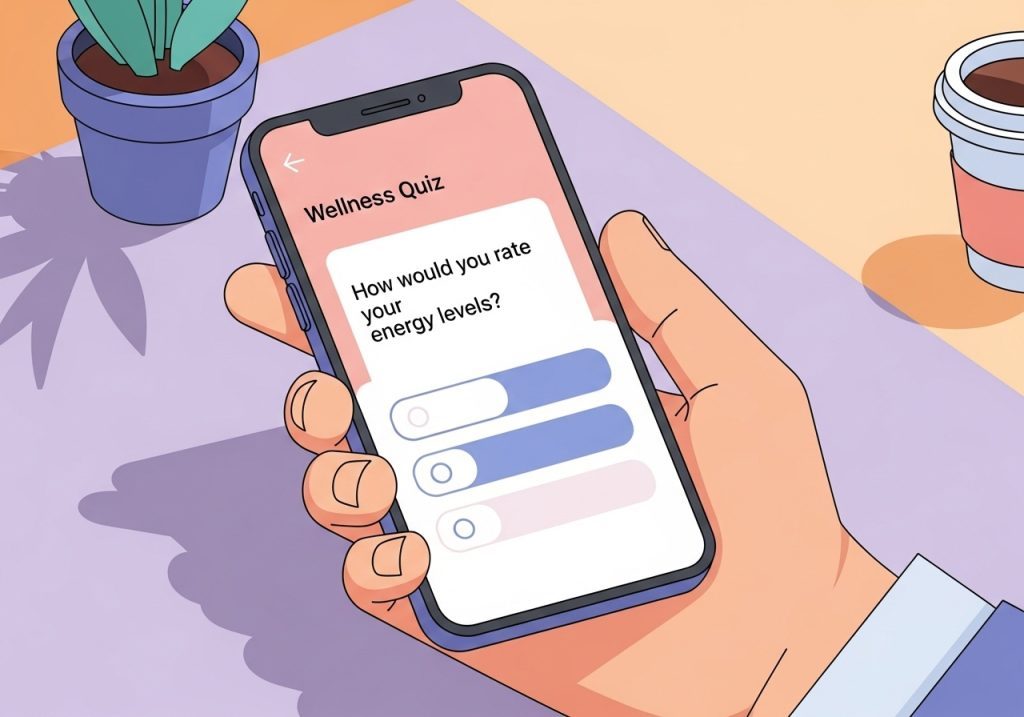
The foundation of any strong relationship is understanding. For a health practitioner, this means knowing a client's challenges, goals, and health history before you even speak with them. Sending a generic intake form is standard, but you can create a much more powerful first impression by using an interactive assessment or calculator. This tool asks targeted questions about their specific concerns, such as gut health, hormone balance, or energy levels.
When a potential client completes the assessment, they receive an immediate, personalized score or report. This gives them instant value and insight, positioning you as an expert who provides clarity from the start. On your end, you receive structured, high-quality data that goes beyond a standard contact form. You learn about their primary struggles and level of motivation, which allows you to prepare for the initial consultation with a deep understanding of their situation. This proactive approach sets a positive and professional tone for all future client relations.
Step 2: Personalize the Initial Consultation
With the detailed insights gathered from your initial assessment, you can transform the first consultation from a simple information-gathering session into a strategic, personalized planning meeting. Instead of starting with broad questions like "So, what brings you here today?" you can begin with a more targeted and empathetic approach. For example, you might say, "I reviewed your assessment results, and I see that low energy and digestive issues are your primary concerns. Let's start there."
This simple shift in conversation immediately shows the client that you have done your homework and that you value their time. It makes them feel seen and heard before they have even fully shared their story. You can use the data to guide the conversation, ask more specific follow-up questions, and begin co-creating a plan that directly addresses their stated needs. This level of personalization builds trust quickly and demonstrates a level of care and professionalism that sets your practice apart.
Step 3: Build Stronger Client Relations with Clear Communication
Once a client is onboarded, maintaining momentum requires consistent and clear communication. Strong client relations depend on managing expectations and ensuring everyone is on the same page. Use the initial assessment results not just for the first call, but as a benchmark to map out the client's journey. Establish a clear communication plan from the beginning. Let them know how often they will hear from you, the best way to ask questions, and what milestones to look for.
For instance, you can set up automated email check-ins or reminders that are triggered at specific points in their program. These communications can provide encouragement, share relevant educational content, or prompt them to fill out a brief progress survey. Defining what strong customer relations means for your practice involves creating these repeatable systems. When clients know what to expect, they feel more secure and confident in the process, which is essential for long-term commitment and success.
Step 4: Track Progress and Reinforce Value
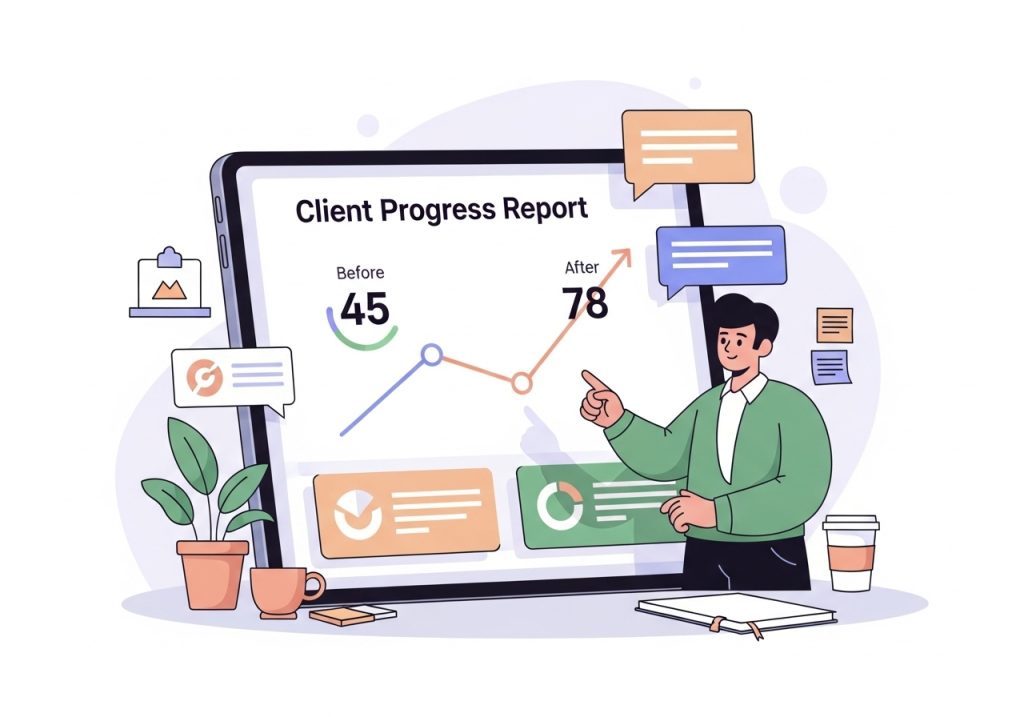
A client's health journey can have ups and downs, and sometimes progress can feel slow or intangible to them. Objectively demonstrating their improvement is one of the most powerful ways to reinforce the value of your work and strengthen the relationship. Periodic re-assessments or progress-tracking quizzes allow you to capture new data and compare it to their initial baseline. This gives you concrete evidence of their success.
Imagine being able to show a client a report that visualizes their "Symptom Score" dropping from 80 to 45 over three months. This data-driven feedback is incredibly motivating. It moves the conversation from subjective feelings ("I think I feel a little better") to objective proof ("Your sleep quality score has improved by 40%"). This validation encourages clients to stay engaged with their plan and reminds them of the return on their investment in your services. Reinforcing value this way is a key component of building a customer loyalty program that keeps clients for the long term.
Step 5: Create a System for Client Feedback
To continuously improve your services and client experience, you need to know what's working and what isn't. Actively seeking feedback makes clients feel valued and shows that you are committed to excellence. Instead of waiting for issues to arise, create a simple, systematic way to collect their thoughts. This could be an automated survey sent after they complete a program, a short questionnaire at the three-month mark, or an optional feedback form in your client portal.
Ask specific questions about their experience with your communication, the clarity of your recommendations, and their overall satisfaction. This process helps you gather what is often called voice of the customer data, which provides invaluable insights for refining your offerings. When you acknowledge and act on their suggestions, you close the feedback loop. This not only improves your practice but also turns clients into partners who are invested in your shared success.
Building exceptional client relations is a continuous process, not a one-time task. By implementing these five steps, you create a structured framework that supports clients from their first click to their final goal. It starts with understanding their needs on a deeper level and continues with personalized communication, tangible progress tracking, and a commitment to feedback. This approach helps you build the trust and rapport necessary to grow a successful and impactful health practice.
Ready to build better client relationships from the very first interaction? LeadCalculators helps you automate the process of understanding client needs, providing instant value, and capturing qualified leads.
Embed an interactive calculator on your site to give visitors personalized insights and start every consultation with the data you need to succeed. See how easy it is to create a better client journey.