How to Improve Patient Engagement: A 5-Step Guide for Health Practitioners

Many health and wellness practitioners find that attracting a steady stream of qualified leads is a persistent challenge. You offer life-changing services, but potential patients often get lost before they even book a consultation. Improving your digital patient engagement is the key to solving this problem. It’s about creating a connection from the very first interaction, guiding people from being curious about their health to becoming committed clients in your practice. This guide provides a clear, five-step framework to help you build a system that not only attracts but also nurtures the right people for your services.
Step 1: Understand Your Ideal Patient's Journey
Before you can engage potential patients, you must understand their experience. Begin by mapping out the typical path a person takes, from the moment they first notice a health concern to the point where they are ready to seek professional help. Identifying their specific questions, worries, and pain points at each stage is crucial for creating content and tools that truly resonate. What are they searching for online? What language do they use to describe their symptoms? What are their biggest barriers to taking the next step?
This process goes beyond simple demographics. It involves developing deep empathy for their situation. A powerful way to structure this is by creating a detailed patient journey map. This visual tool helps you pinpoint opportunities to provide value and build trust long before they see your booking page. When you know their journey, you can meet them exactly where they are with the information they need most.
Step 2: Personalize the Experience from Day One
A generic "Contact Us" form is one of the weakest entry points for a modern wellness practice. It places all the work on the potential patient without offering anything in return. To improve patient engagement, you need to personalize the experience from the very first click. This means moving beyond passive information gathering and toward interactive, value-driven tools.
Consider using an embeddable health quiz or a personalized assessment calculator on your website. For example, a gut health expert could offer a "Digestive Health Score" calculator, or a hormone specialist could create a "Hormone Imbalance Indicator" quiz. These tools invite participation by posing relevant questions that mirror the person's own internal dialogue. By answering a few simple questions, they receive a personalized result that feels tailored specifically to them. This small shift transforms a passive website visit into an active, engaging experience that immediately demonstrates your expertise and approach.
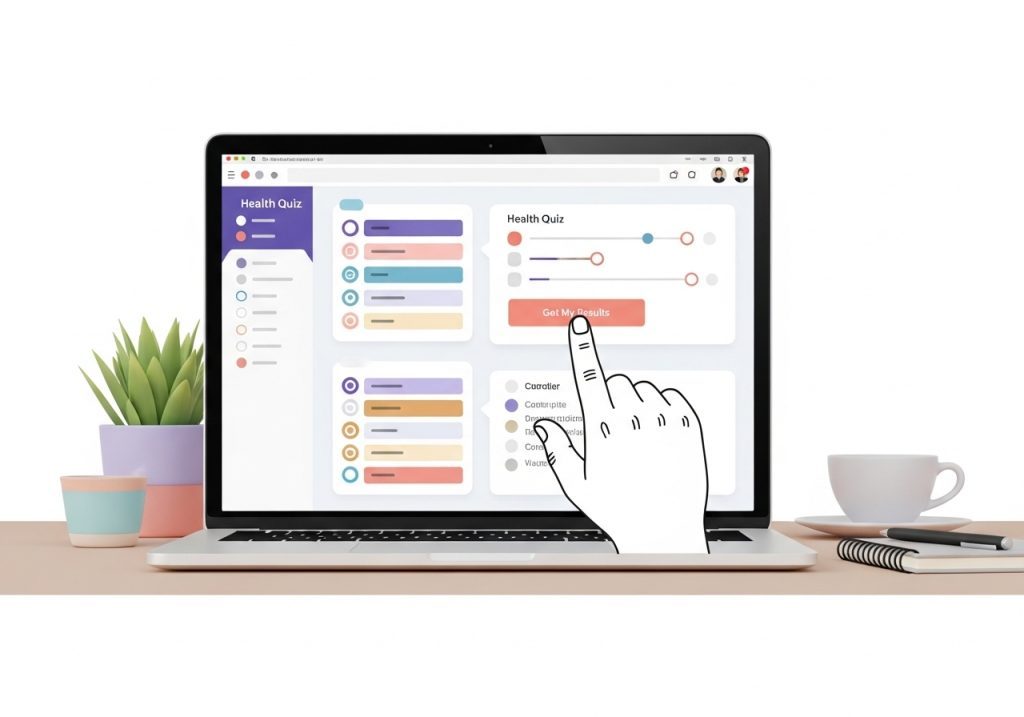
Step 3: Deliver Immediate and Actionable Value
The modern patient expects immediate answers. After someone has taken the time to interact with your quiz or calculator, don't make them wait for the insights. The most effective engagement strategies deliver instant, automated feedback. In exchange for their name and email address, provide a personalized score, a summary report, or a set of initial recommendations based on their answers.
This immediate value exchange is incredibly powerful. It accomplishes several things at once. First, it satisfies the person's desire for information and gives them a tangible takeaway. Second, it establishes your credibility and positions you as a helpful authority. Finally, it provides you with a highly qualified lead—someone who has not only identified themselves as having a specific problem but has also actively sought insight into it. This is far more valuable than a name on a generic newsletter list.
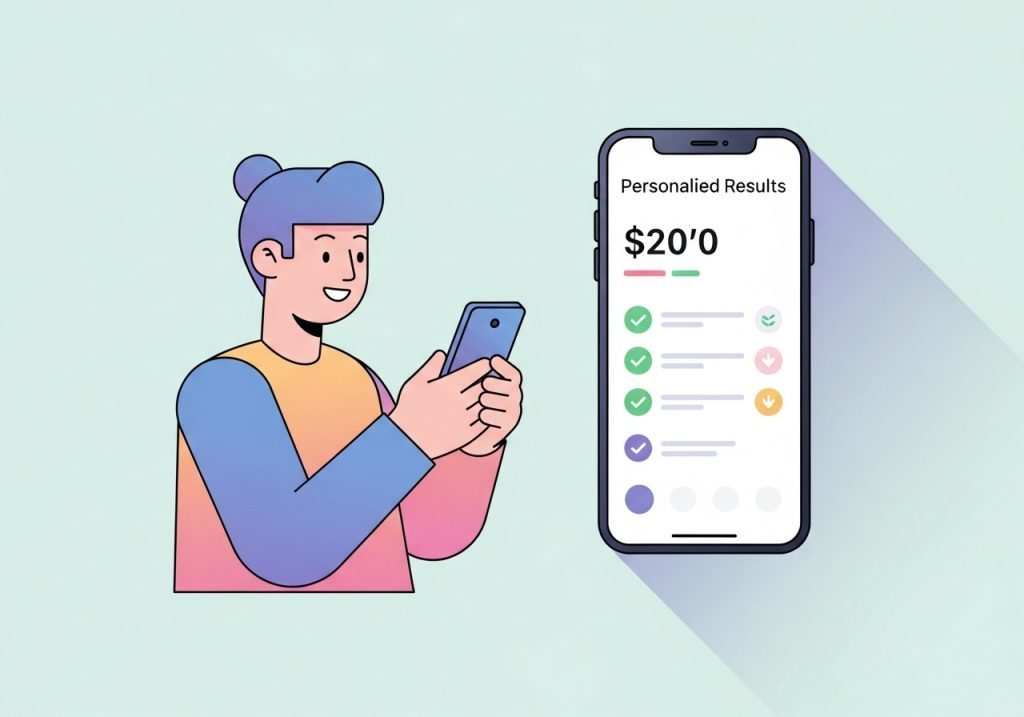
Step 4: Nurture Leads with Relevant Follow-Up
Capturing a lead is only the beginning. The next critical step in patient engagement is nurturing that newfound connection. Now that you have valuable information about their specific challenges (thanks to the calculator), you can avoid sending generic, one-size-fits-all emails. Instead, develop an automated email sequence that provides targeted, educational content directly related to their results.
For someone who received a high-risk score on a "Stress & Adrenal Fatigue" quiz, you could send a series of emails about stress management techniques, nutritional support for adrenal health, and case studies of clients with similar issues. This is where a practical approach to customer segmentation becomes essential. Each email should build on the last, reinforcing your expertise and gently guiding them toward the logical next step: booking a discovery call to discuss their results in more detail. This thoughtful follow-up shows you understand their problem and have a clear plan to help them solve it.
Step 5: Measure and Refine Your Patient Engagement Strategy
A successful patient engagement system is not something you set and forget. To ensure it continues to work for your practice, you must track key metrics and be prepared to make adjustments. The goal is not just to generate leads, but to generate the right leads that convert into clients. Monitor the conversion rate of your calculator—what percentage of people who start it actually complete it and submit their information?
Beyond that, track your email open and click-through rates. Are people engaging with your follow-up content? Most importantly, measure how many leads from this system ultimately book a consultation and become paying clients. Analyzing this data will reveal what’s working and what isn't. Perhaps the quiz questions need tweaking, or maybe the email copy could be more compelling. Continuous measurement and refinement will help you optimize your process for better results and a higher return on your efforts over time.
Ultimately, enhancing patient engagement is about creating a system that builds trust and demonstrates value from the first interaction. By understanding the patient journey, personalizing the experience, delivering instant value, and nurturing leads with relevant content, you create a reliable path from initial curiosity to a booked appointment. This strategic approach not only fills your calendar but also ensures you are attracting the people you are best equipped to help, creating a foundation for building stronger client relationships and a thriving practice.
Ready to Turn More Visitors into Qualified Leads?
Stop letting potential clients slip away. LeadCalculators makes it simple to add interactive, value-driven quizzes and calculators to your site. Give your visitors instant, personalized insights they care about, and get more qualified, consultation-ready leads for your practice—without the tech headaches. See how it works and explore our templates today.